Same Recipe, Wildly Different Brew: The Real Reason Your Kombucha Has Its Own Personality
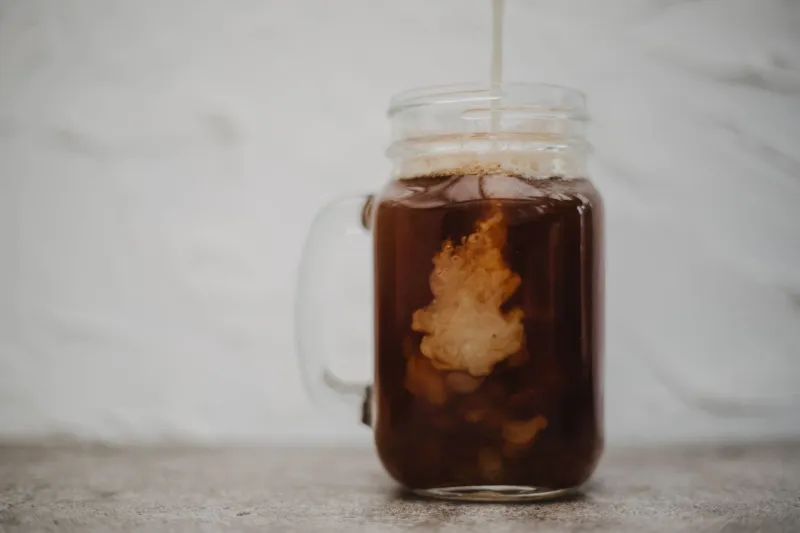
You did everything right. You measured the tea, weighed the sugar, kept your SCOBY happy in its hotel, and waited the full seven days. But when you finally cracked open your first homebrew, it tasted nothing like the $5 bottle of GT's you grabbed at Whole Foods last week. Maybe it was sharper. Maybe it was funkier. Maybe it had this weird, almost wine-like depth that you weren't expecting — and honestly? Kind of loved.
Here's the thing: that difference isn't a flaw. It's the whole point.
Fermentation is a living process, and living things don't follow instructions perfectly. The microbial community inside your SCOBY — a tightly woven symbiosis of bacteria and yeast — responds to its environment in real time, making decisions (in the loosest biological sense) based on temperature, sugar availability, oxygen levels, and a dozen other variables you may not even be tracking. The result is a flavor profile that is, quite literally, uniquely yours.
The Science Behind the Sip
At its core, kombucha flavor is the byproduct of microbial metabolism. The yeast in your SCOBY converts sucrose into glucose and fructose, then ferments those sugars into ethanol and carbon dioxide. Simultaneously, acetic acid bacteria convert that ethanol into acetic acid — the same compound that gives vinegar its bite. Meanwhile, other bacterial strains produce lactic acid, gluconic acid, and a cascade of trace compounds including esters, aldehydes, and ketones that contribute everything from fruity brightness to earthy complexity.
Commercial producers manage this chemistry with clinical precision. They ferment in temperature-controlled environments, use standardized SCOBY cultures, and often halt fermentation at a specific acidity level before bottling. The goal is consistency — the same flavor, batch after batch, bottle after bottle.
Your kitchen? That's a completely different ecosystem. And that's where things get interesting.
Temperature Is Everything (Seriously, Everything)
Ask any experienced home fermenter and they'll tell you: the single biggest variable in flavor development isn't your tea choice or your sugar type — it's temperature.
Marcella Torres, a home brewer based in Austin, Texas, discovered this the hard way during her first summer of brewing. "I had a batch going in June and I just couldn't figure out why it tasted so boozy and almost harsh," she says. "My kitchen was hitting 85 degrees and I had no idea that was basically turbo-charging the yeast."
Higher temperatures accelerate yeast activity, which means faster sugar consumption and more ethanol production. If your acetic acid bacteria can't keep pace, you end up with a brew that skews alcoholic and rough. Drop that same SCOBY into a cooler environment — say, a basement running around 68°F — and the fermentation slows down, allowing a more nuanced range of organic acids to develop. The result is often rounder, more layered, and noticeably less aggressive.
The sweet spot for most home brewers sits between 72°F and 78°F, but even within that range, a few degrees can meaningfully shift the final flavor.
Time Changes Everything Too
Fermentation duration is essentially a dial you can turn to tune your brew's personality. A shorter ferment — around five to six days — tends to produce a sweeter, milder kombucha with more residual sugar and less acidity. Stretch it out to ten or twelve days and you're looking at something drier, more vinegary, and significantly more complex.
Dan Kowalski, who runs a small fermentation community in Chicago, describes the difference as the gap between a sparkling lemonade and a dry hard cider. "Both are good," he says, "but they're doing completely different things. Once I started tasting my brew every day from day four onward, I realized I had way more control than I thought. It's like learning to read a language."
This daily tasting practice — running a clean straw along the side of the jar and drawing off a small sample — is one of the most practical habits any home brewer can develop. It trains your palate and helps you understand exactly when your batch hits the flavor window you're after.
Your Ingredients Aren't Neutral
Store-bought kombucha is almost always brewed with a standardized black tea blend, chosen for its consistent tannin content and flavor neutrality. At home, you've got an entire tea aisle to play with — and those choices matter more than most beginners realize.
Green tea produces a lighter, more delicate brew with subtle grassy notes. White tea can yield something almost floral. Oolong sits in an interesting middle ground, contributing a slight roastiness that pairs beautifully with stone fruit flavors in the second ferment. Even the mineral content of your tap water versus filtered water can nudge the final flavor in unexpected directions.
Sugar type is another underappreciated variable. Plain white cane sugar gives your SCOBY a clean, neutral fuel source that lets the fermentation flavors shine. Swap in raw cane sugar, turbinado, or even a small percentage of honey, and you introduce trace compounds that the microbes metabolize into something altogether different — sometimes richer, sometimes more complex, occasionally a little strange.
The Second Ferment Is Where Flavor Really Blooms
If your first ferment is the foundation, the second ferment — bottled and sealed, with added fruit, juice, or aromatics — is where you become an actual flavor architect.
Carbonation builds as residual yeast consumes the new sugars you've introduced, and the enclosed environment forces that CO2 into solution. But the real magic is chemical: fruit compounds interact with the existing acids in your brew, creating new flavor molecules through esterification. That's why fresh ginger in your second ferment doesn't just taste like ginger — it tastes like a spicier, more complex version of itself, integrated into the brew rather than sitting on top of it.
Marcella, who has become something of a local legend in her Austin neighborhood for her seasonal flavor experiments, swears by hibiscus and lime in summer and a spiced pear blend in fall. "I started realizing I wasn't just making kombucha," she says. "I was making something that reflected where I was and what was in season. That felt really different from buying a bottle."
Learning to Brew Intentionally
The gap between accidental flavor and intentional flavor is mostly just attention. Here are a few practical ways to start crafting your brew with more purpose:
Keep a fermentation journal. Log your start date, ambient temperature, tea type, sugar weight, and daily tasting notes. Patterns will emerge faster than you'd expect.
Control your environment. If your kitchen runs warm in summer, consider moving your brew to a cooler room or investing in a small seedling heat mat to stabilize winter batches.
Taste aggressively. Don't wait until bottling day. Daily samples from day four onward will teach you more about your SCOBY's personality than any recipe ever could.
Experiment one variable at a time. Change your tea, or your sugar, or your fermentation time — but not all three at once. That way, you'll actually know what made the difference.
Embrace the weird batches. Some of the most interesting flavor discoveries happen when something goes slightly sideways. As long as your brew smells clean and your SCOBY looks healthy, that funky batch might just be your next favorite.
The store-bought stuff is great for what it is: reliable, convenient, and consistent. But consistency was never the point of brewing at home. Your kombucha tastes different because it is different — shaped by your kitchen, your hands, your water, and a microbial culture that has been quietly evolving with every batch you've made. That's not a bug. That's the living art of fermentation, doing exactly what it's always done.