Ditch the Pill, Pass the Jar: How Young Americans Are Fermenting Their Way to Wellness
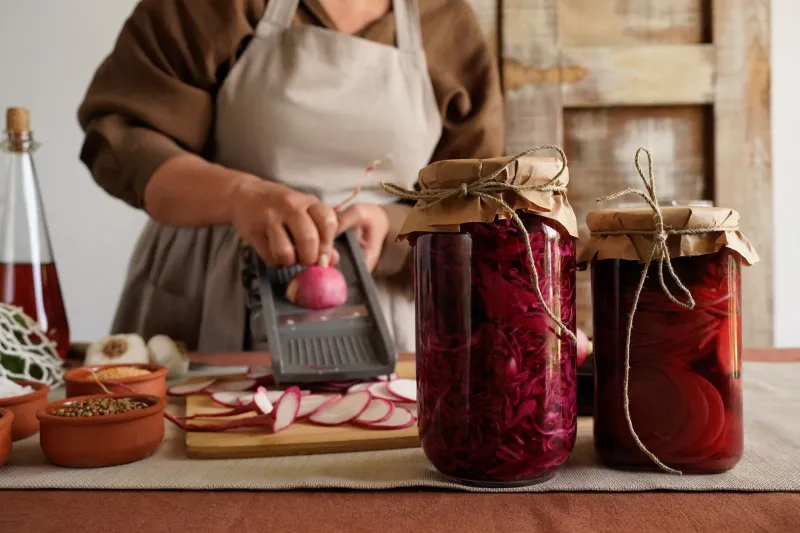
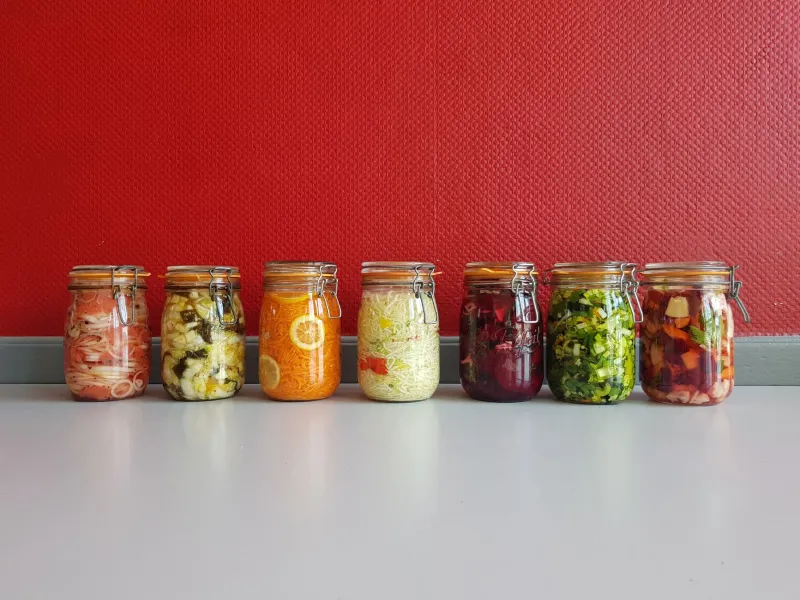
Walk into any well-stocked American grocery store these days and you'll find an entire wall of probiotic supplements — capsules, gummies, powders, and drinks all promising to "support gut health" in bold, cheerful fonts. For decades, that wall was the destination for anyone trying to take their digestive wellness seriously. But something has shifted. A growing number of millennials and Gen Z consumers are walking right past that display and heading straight for the refrigerated section, where the jars of kimchi, the bottles of raw kombucha, and the tubs of live-culture yogurt are waiting.
This isn't just a shopping habit. For many young Americans, choosing fermented whole foods over synthetic probiotics has become a statement about who they are and how they want to live.
The Supplement Industry's Credibility Problem
Let's be honest — the supplement industry has had a rough few years in the court of public opinion. Multiple studies have raised questions about whether commercially bottled probiotics actually survive the journey through stomach acid in meaningful quantities. The FDA doesn't regulate supplements the same way it does pharmaceuticals, meaning label claims can be... optimistic. And younger consumers, who grew up with instant access to research, Reddit threads, and nutrition influencers, have noticed.
"I used to spend like $40 a month on a probiotic capsule that I honestly couldn't tell was doing anything," says Maya Chen, a 27-year-old graphic designer in Portland, Oregon, who started making her own kefir and miso two years ago. "Then I started reading about the actual research on fermented foods versus isolated probiotic strains, and it just clicked. Why am I buying a pill when I can make something alive in my own kitchen?"
That sentiment is increasingly backed by nutritional science. Whole fermented foods don't just deliver live cultures — they deliver those cultures alongside prebiotic fiber, bioavailable vitamins, enzymes, and a complex microbial ecosystem that researchers are only beginning to understand. A landmark 2021 Stanford study published in Cell found that a diet high in fermented foods increased microbiome diversity and reduced markers of inflammation more effectively than a high-fiber diet alone. That kind of nuance doesn't fit neatly on a supplement bottle.
Fermentation as a Lifestyle, Not a Lifehack
Here's where it gets interesting: for Gen Z especially, fermented foods aren't just about the gut. They're about a whole worldview.
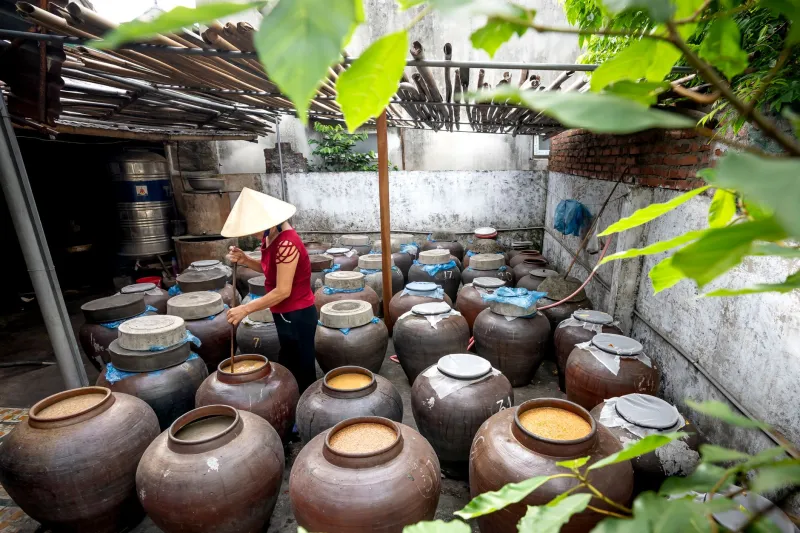
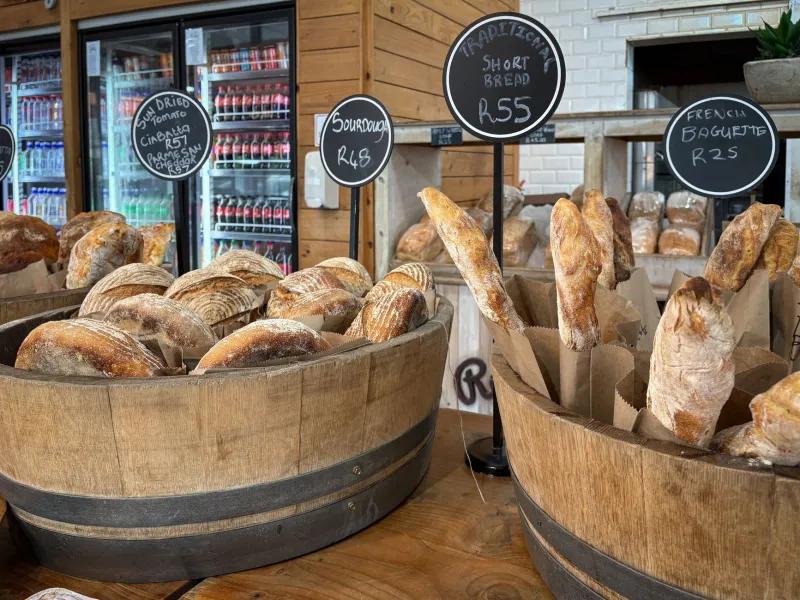
Scroll through TikTok or Instagram and you'll find thousands of young creators documenting their sourdough starters, their bubbling crocks of sauerkraut, their first attempts at jun tea. The aesthetic is warm, tactile, and deeply intentional — a direct visual counterpoint to the sterile, clinical imagery that dominates supplement marketing. Making your own fermented foods is slow, sensory, and requires genuine attention. In an era defined by speed and digital abstraction, that feels radical.
"There's something really grounding about feeding a living culture and watching it change," says Jordan Vasquez, a 23-year-old in Austin who runs a small Instagram account dedicated to his fermentation experiments. "It connects me to something older than the wellness industry. People have been doing this for thousands of years without reading a nutrition label."
Registered dietitian and fermentation advocate Dr. Priya Nair sees this shift in her practice regularly. "My younger clients aren't coming in asking about which probiotic brand to buy anymore," she says. "They're asking how to make their own kombucha, whether their kimchi is ready, what strains are in sourdough. They want to understand the process, not just consume a product. That's a genuinely exciting change."
The Numbers Back It Up
The at-home fermentation market is booming in ways that would have seemed improbable a decade ago. According to market research from Grand View Research, the global fermentation ingredients market is projected to surpass $80 billion by 2030, with home fermentation kits and supplies representing one of the fastest-growing segments in specialty food retail. Google Trends data shows consistent year-over-year growth in searches for "how to make kimchi," "sourdough starter," and "water kefir" among 18-to-34-year-olds.
Small businesses have taken notice. Companies like Cultures for Health, which sells starter cultures and fermentation equipment, have reported significant increases in younger customers over the past three years. Farmers markets across the US are seeing a surge in vendors selling raw, small-batch fermented products — and selling out regularly.
The contrast with the probiotic supplement market is telling. While that sector continues to grow in dollar terms, consumer sentiment surveys increasingly show skepticism about efficacy and value among younger demographics. The shift isn't total, but the direction is clear.
What You're Actually Getting in the Jar
One of the most compelling arguments for whole fermented foods over supplements is the concept of the food matrix — the idea that nutrients and microbes in real food work synergistically in ways that isolated supplements can't replicate. When you eat a spoonful of raw sauerkraut, you're not just consuming Lactobacillus strains. You're getting short-chain fatty acids produced during fermentation, naturally occurring vitamin C, a range of organic acids that create an environment where beneficial bacteria can thrive, and a fiber structure that helps those microbes reach your colon alive.
Supplements, by contrast, are typically formulated around one or a handful of specific strains, standardized for shelf stability in ways that may compromise viability. It's the difference between a whole apple and an apple-flavored vitamin C tablet. Both have their place, but they're not interchangeable.
Dr. Nair is careful not to dismiss supplements entirely. "For certain clinical situations — post-antibiotic recovery, specific digestive conditions — targeted probiotic supplements still have real value," she notes. "But as a daily wellness strategy for generally healthy young people? Fermented foods offer something richer and more sustainable."
Starting Small, Thinking Big
If you're a younger American curious about making the switch, the barrier to entry is genuinely low. A basic sauerkraut requires nothing more than cabbage, salt, a jar, and a few days of patience. Kombucha starter kits are widely available online for under $30. Sourdough starter can be sourced from a neighbor, a local bakery, or grown from scratch with flour and water.
The community around home fermentation is also remarkably welcoming. Online forums, local fermentation clubs, and social media groups are full of experienced hobbyists eager to share cultures, troubleshoot batches, and celebrate a good first miso. It's one of the few corners of the wellness world that feels genuinely communal rather than competitive.
That community spirit might be the most telling sign of all. Fermentation, at its core, is about cultivating living relationships — with microbes, with food, with tradition, and with other people who care about the same things. No supplement can put that in a capsule.
The jar, it turns out, is mightier than the pill.