Jar by Jar: How Passionate Home Fermenters Are Building Real Businesses From Their Kitchen Counters
There's a moment a lot of fermenters know well. You bring a jar of your best hot sauce — the one that's been sitting on the counter for three weeks, slowly deepening in flavor — to a backyard cookout. Someone tastes it. Their eyes go wide. Then comes the question: Can I buy this from you?
For years, most home fermenters just laughed it off. But increasingly, they're saying yes.
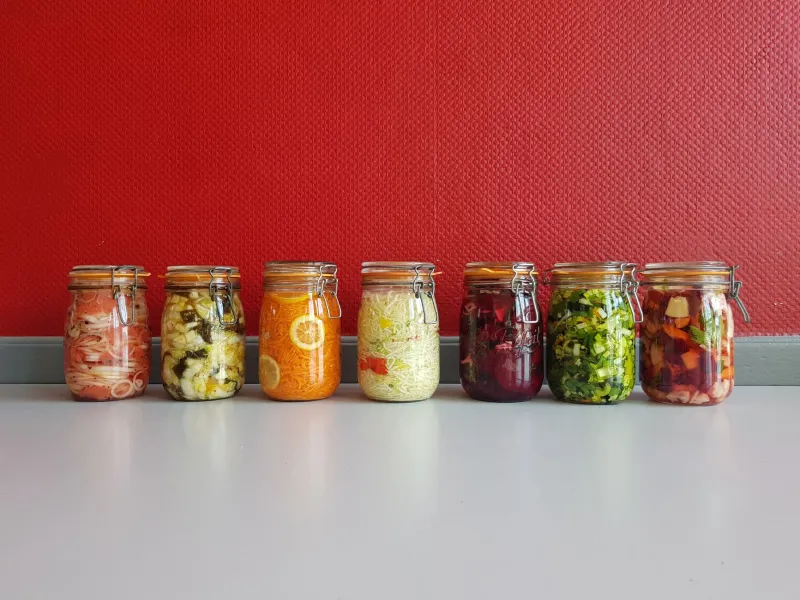
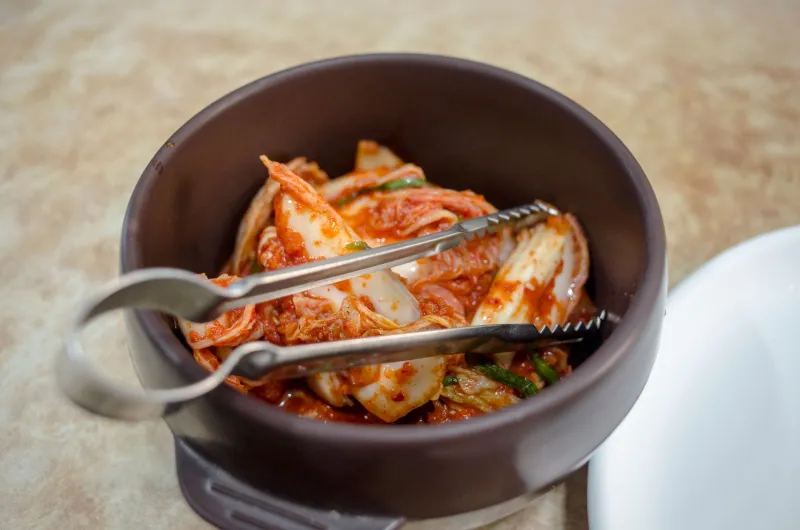
Across the US, a quiet economic shift is happening in kitchens, garages, and basement workshops. The same fermentation revival that turned sourdough into a pandemic hobby and kimchi into a grocery store staple is now producing a new wave of micro-entrepreneurs — people who've gotten serious enough about their craft to start charging for it. From hot sauces and krauts to kombucha and miso, artisanal fermented goods are finding hungry audiences at farmers markets, on Instagram storefronts, and inside curated subscription boxes.
But going from passionate hobbyist to legitimate food business? That's where things get complicated — and interesting.
The Moment the Hobby Gets Serious
For many fermenters, the pivot from personal project to side hustle starts with demand they didn't expect. Take Maya Chen, a graphic designer based in Portland, Oregon, who spent two years perfecting her naturally fermented hot sauces before a friend encouraged her to table at a local Saturday market. She sold out in under two hours.
"I honestly thought I'd come home with most of it," she says. "I had no idea people were looking for this. They wanted something alive, something that wasn't pasteurized off a factory line."
That appetite for authenticity is a significant driver of the fermented food market's growth. According to industry analysts, the US fermented foods and beverages market is projected to continue expanding steadily through the late 2020s, fueled in no small part by consumer awareness around gut health and a broader desire to know exactly what's in their food. Home fermenters — with their small batches, transparent processes, and genuine passion — are well-positioned to meet that demand in ways that big brands simply can't replicate.
Navigating the Regulatory Maze
Here's where a lot of aspiring fermentation entrepreneurs hit their first wall: the rules.
Food safety regulations in the US vary dramatically from state to state, and the world of small-scale fermented food production sits in a genuinely complicated legal space. Many states have cottage food laws that allow individuals to sell certain homemade products directly to consumers without a commercial kitchen license — but those laws often come with restrictions on what you can sell, where you can sell it, and how much annual revenue you can generate.
Fermented products add another layer of complexity. Because they involve live cultures, controlled acidity, and in some cases alcohol (hello, kombucha), they can fall under different regulatory frameworks than, say, a jar of homemade jam. Some states require fermented vegetables to meet specific pH standards. Others may require cottage food producers to label their products with particular warnings or disclaimers.
The takeaway? Before you print your first label, do your homework. Resources like your state's department of agriculture, the Small Business Administration, and organizations like the Good Food Institute can be starting points. Some fermenters also find it worthwhile to connect with a food safety consultant or attorney who specializes in small-scale food production — the upfront cost can save significant headaches down the road.
Building a Brand Around Living Food
One thing home fermenters often have that larger producers struggle to manufacture is a story. And in today's food marketplace, story is currency.
The most successful small fermentation brands tend to lean hard into their origins — the grandmother's recipe that inspired a particular kimchi, the local farm where the cabbage comes from, the specific wild cultures that make a sourdough taste like a particular zip code. These aren't just marketing angles; they're genuine differentiators that connect consumers to something real.
Jordan Whitfield, who runs a small-batch miso and fermented condiment operation out of Asheville, North Carolina, built his entire brand identity around transparency. Every jar he sells includes a QR code that links to a short video explaining the fermentation process for that specific batch.
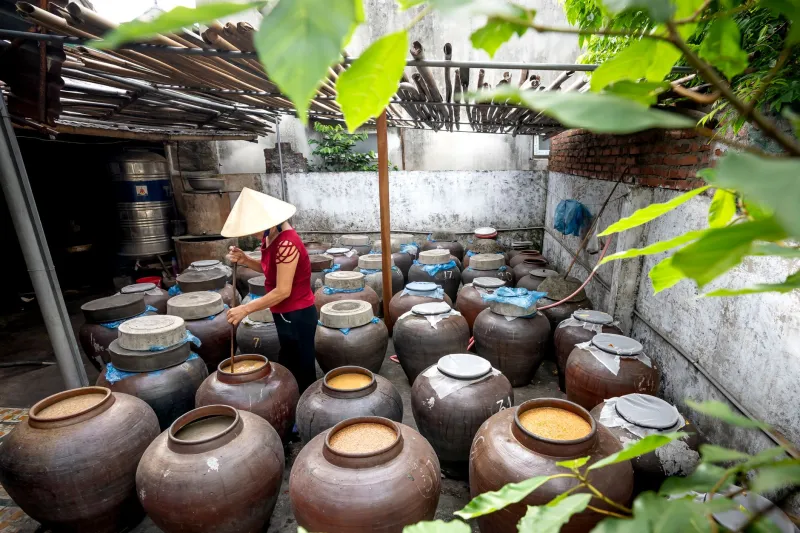
"People are paying a premium because they want to understand what they're putting in their bodies," Jordan explains. "Showing them the actual process — the crocks, the weights, the time — that's what makes them trust you. And trust is what makes them come back."
Social media, particularly Instagram and TikTok, has become an invaluable tool for fermentation entrepreneurs. Short videos of bubbling starters, time-lapses of color-changing krauts, and honest behind-the-scenes content of the messy, imperfect reality of small-batch production resonate deeply with audiences who are increasingly skeptical of polished, corporate food marketing.
From Farmers Market to Subscription Box
For fermenters who've outgrown their Saturday market table, subscription boxes represent one of the more compelling paths to sustainable revenue. The model works particularly well for fermented goods because it encourages customers to build a habit — replenishing their live cultures, trying new seasonal flavors, staying connected to a maker they've come to trust.
Platforms like Goldbelly, Faire, and even Etsy have opened up distribution channels that would have been unthinkable for a one-person kitchen operation a decade ago. Some fermenters have also found success partnering with local restaurants and specialty food shops, supplying small quantities of house-made fermented products that those businesses can feature on menus or shelves.
Scaling up, though, brings its own challenges. Moving from a home kitchen to a licensed commercial space increases overhead significantly. Consistency becomes harder to maintain when batch sizes grow. And the hands-on, meditative quality that made fermentation appealing in the first place can start to feel more like factory work when you're trying to fill 200 subscription boxes by Friday.
The fermenters who seem to navigate this best are the ones who stay intentional about how big they actually want to get — and who resist the pressure to scale beyond what they can do well.
The Real ROI of the Fermentation Economy
Not everyone who starts selling their kraut at a farmers market ends up with a thriving food business, and that's okay. For many home fermenters, the side hustle isn't really about replacing a full-time income. It's about community, validation, and the particular satisfaction of sharing something you've made with your hands — something alive — with people who genuinely appreciate it.
But for those who do want to build something real? The market is there. The tools are more accessible than ever. And the culture — both the microbial kind and the human kind — is ready.
Sometimes the best businesses really do start with a question at a cookout and a jar of something you made yourself.