Small Batches, Big Heat: The Rise of Home-Fermented Hot Sauce
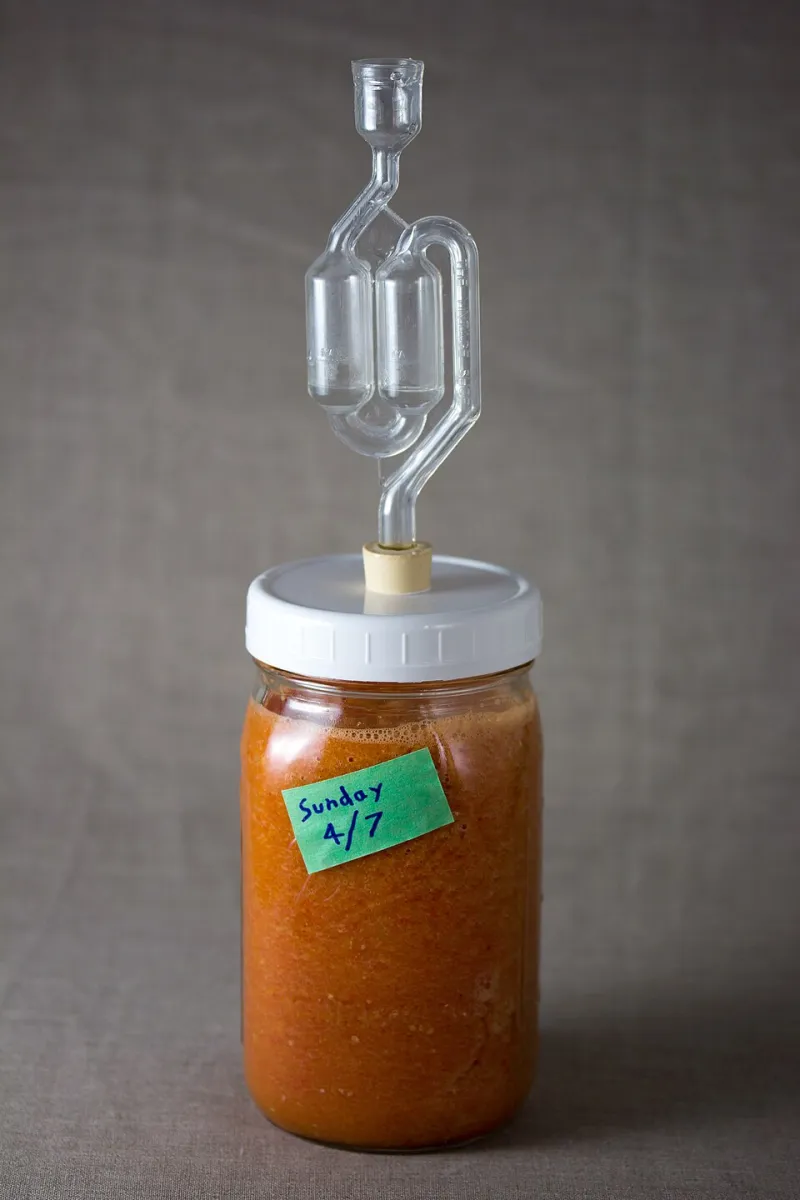
Photo: FoodCraftLab, CC BY-SA 2.0, via Wikimedia Commons
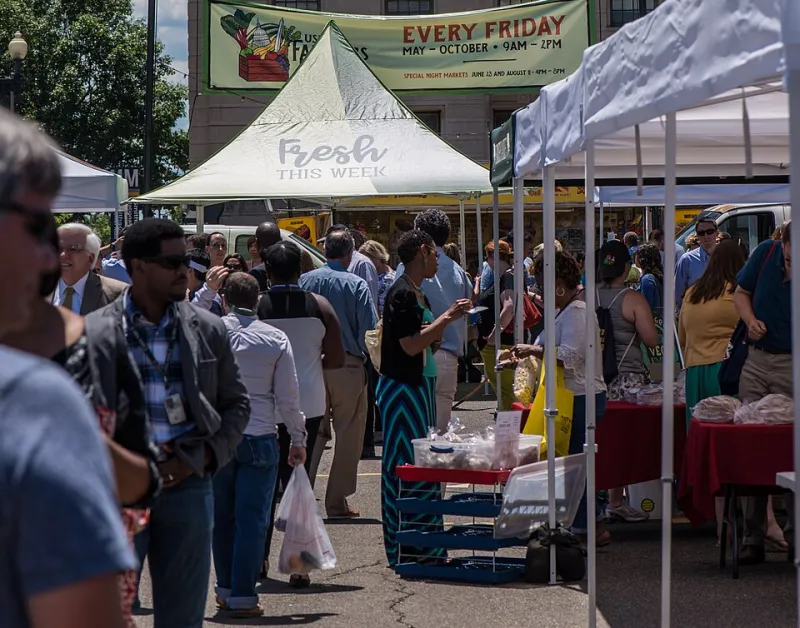
Walk into a weekend farmers market in Austin or a bottle shop in Asheville and you will notice something. The hot sauce shelf is starting to look like the beer cooler did years ago: small batches, weird peppers, hand-drawn labels, and makers who want to tell you about the farm where the chilies grew. The craft beer comparison is not perfect, but it is useful. Both movements took something ordinary and made it local, expressive, and social. Fermented hot sauce is doing the same thing — one jar at a time.
Why Hot Sauce Is Having Its Craft Beer Moment
Craft beer taught American drinkers to care about process, provenance, and the story behind a bottle. Hot sauce is following the same path. A fermented sauce has terroir: the pepper variety, the garden soil, the salt, the wild yeasts in your kitchen, even the length of the ferment. Two makers in the same town can start with the same peppers and end up with completely different bottles.
The barrier to entry is also low. You do not need a brewhouse or a barrel program. You need peppers, salt, a jar, and a little patience. That accessibility is why home cooks are treating hot sauce like a creative outlet rather than a condiment. It is something you can make on a Tuesday, tweak on a Friday, and give away on a Sunday.
Meet the Makers Keeping It Small
The community around fermented hot sauce is still wonderfully informal. In Portland, Oregon, one home maker started fermenting peppers because a neighbor's garden produced more habaneros than anyone could eat. Now she trades bottles with friends and sells a small batch at a local market under her state's cottage food rules. In Asheville, North Carolina, a former line cook ferments Fresnos with garlic and a little smoked salt, then bottles the result in swing-top bottles with handwritten labels. In Brooklyn, a group of home fermenters runs a monthly swap where people bring jars, taste each other's sauces, and argue politely about whether charring peppers before the ferment is cheating.
These are not big brands. They are people with a bucket, a blender, and a point of view. The internet has amplified the scene through forums, group chats, and social media, but the real exchange happens at markets, fermentation clubs, and kitchen counters. That is the craft beer parallel that matters most: the community is the product as much as the sauce.
The Starter Kit You Actually Need
You do not need a $200 setup. A clean quart jar, a kitchen scale, non-iodized salt, and a weight to keep the peppers submerged will get you started. An airlock is nice, but a loose lid and a daily burp work fine. A pH meter or pH strips are worth having if you plan to bottle and gift your sauce, because they help you confirm the sauce is acidic enough to be shelf-stable. Beyond that, the best investment is a good blender and a notebook.
Peppers, Brine, and the Art of Controlled Chaos
Start with peppers you like to eat. Jalapeños and Fresnos bring brightness and a gentle heat. Serranos add a clean punch. Habaneros and Scotch bonnets bring fruity heat. Ghost peppers and beyond are for people who already know their tolerance. Mixing varieties is where the fun begins: a base of red Fresnos with a few habaneros and a handful of garlic can taste completely different from the same peppers fermented separately.
Use a brine of about 3% salt by weight. That means 30 grams of salt for every liter of water, or roughly 3 grams of salt per 100 grams of water. Keep the peppers submerged. Ferment at room temperature, out of direct sunlight, and taste every few days. The funk should build gradually. If you see a thin white film on the surface, that is often kahm yeast and is usually harmless; skim it and keep going. If you see fuzzy mold, compost the batch and start over with cleaner equipment.
Heat management happens at two points: the pepper choice and the blend. Seeds and pith carry heat, so remove them if you want a milder sauce. After fermentation, blend the peppers with a splash of brine, then add vinegar to taste. Vinegar brightens the sauce and helps stabilize it. If you want a smoother texture, strain it. If you want a rustic sauce, leave it chunky.
Bottling for Gifts Without the Guesswork
Before you bottle, check the pH. A fermented hot sauce should be below 4.6 to be safely shelf-stable, and many makers aim closer to 3.5–4.0 for both safety and flavor. pH strips are affordable and easy to find online or at brewing supply shops. Sterilize your bottles, fill them while the sauce is cool, and label with the date and pepper mix. Store in a cool, dark place. Once opened, refrigerate.
Gifting is where fermented hot sauce becomes a social currency. A bottle with a handwritten label and a note about the peppers is a better gift than most things you can buy at a store. It says you paid attention. It says you made something with your hands. It says, carefully, that you hope they like heat.
The frontier is fiery, but it is also friendly. Start with a small batch, keep notes, and share the bottles. That is how a condiment becomes a craft.