Twelve Living Crafts Worth Chasing: A Home Fermenter's Life List

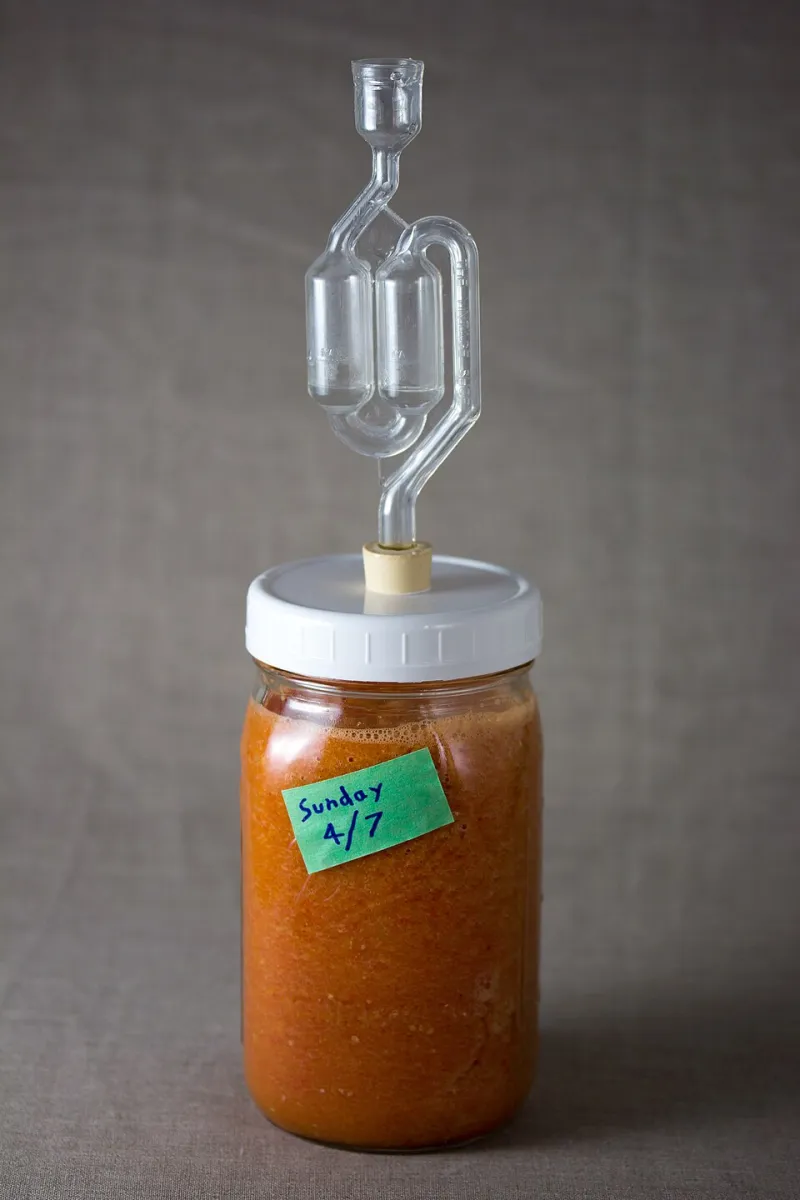
Photo: home fermentation jars sauerkraut kombucha koji counter, via 4.bp.blogspot.com
Every home fermenter keeps a private scorecard. Not the one stuck to the fridge with a magnet — the one in your head. The kraut you nailed. The tempeh you nearly gave up on. The kombucha that went from sweet tea to vinegar while you were on vacation. That scorecard is the real life list, and it keeps growing.
What follows is a dozen living crafts worth chasing, ranked less by prestige than by the lesson each one teaches. Some are weekend projects. Some are season-long relationships. All of them will change how you think about a jar, a culture, and your own patience.
Start Here: The Confidence Builders
1. Classic Sauerkraut. It is the handshake of the fermentation world. Cabbage, salt, time, and a little pressure. Sauerkraut teaches you to trust the process and to taste as you go. Success looks like a clear brine, a crunchy texture, and a sour note that makes you close your eyes. The tip that matters: pound the cabbage with salt until it releases enough liquid to submerge itself. If you must top it off, use 2% salt water — not plain water.
2. Yogurt. The daily ferment. It gives you feedback within hours, not weeks. Success is a thick, tart set with a clean finish and no watery whey pooling on top. The difference-maker is temperature: hold your milk around 110°F with a thermometer, not with vibes. Your stovetop and your oven light are not interchangeable.
3. Quick Kimchi. A gateway ferment with a fast turnaround. It teaches you to salt properly, to build a paste with balance, and to taste at every stage. Success is a garlicky, funky, gently bubbling batch that disappears before you can label it. The tip: salt the cabbage until it wilts but still snaps, then taste the paste before it touches the vegetables. Adjust heat and fish sauce in the bowl, not in the jar.
The Middle Shelf: Where Technique Shows Up
4. Sourdough. Wild yeast and bacteria, working together on your counter. This is the ferment that becomes a roommate. Success is a loaf with an open crumb, a sour note that suits your taste, and a rise you can repeat. The tip: keep a small starter and feed it by weight. If you bake often, discard is less of a rule and more of a suggestion.
5. Kombucha. Home soda with a living culture. It teaches you about continuous brew, sugar balance, and the smell of a happy SCOBY. Success is a tart, lightly sweet brew with a healthy culture and no vinegar sharpness. The tip: save starter tea from every batch. It is your insurance policy and your flavor backbone.
6. Fermented Hot Sauce. The most expressive ferment on the list. Peppers, salt, and time turn into something you can put on everything and give away with pride. Success is bright heat, layered funk, and a sauce that holds at room temperature because you checked the pH. The tip: ferment peppers whole or chunked in a 3% brine, then blend with a splash of that brine and a little vinegar. Do not rush the bottle.
7. Brine Pickles. The deli crunch you cannot buy in a shelf-stable jar. Pickles teach you about tannins, garlic, and keeping things submerged. Success is a crisp spear, a cloudy brine, and a sour snap that makes a sandwich sing. The tip: use fresh cucumbers and a grape leaf or other tannin source, and keep everything under the brine with a weight.
The Deep End: Projects With a Learning Curve
8. Tempeh. Bean-based, fast-moving, and deeply satisfying. Tempeh teaches you about Rhizopus culture, drying, and temperature control. Success is a solid white mat, a nutty aroma, and a block you can slice without it crumbling. The tip: dry the beans well before inoculating and hold the tray around 88°F. Wet beans and cool rooms are the enemies here.
9. Miso. A long game with a deep payoff. Miso teaches patience, salt ratios, and the art of pressing out air. Success is a smooth, savory paste with no off smells after months of aging. The tip: weigh your salt accurately and pack the mash tightly. Patience is not a garnish — it is the recipe.
10. Koji. The foundation of miso, shoyu, sake, and more. Koji teaches you to grow a mold with intention and to read temperature like a coach reads a player. Success is a sweet, fragrant, white-coated grain or bean with no overheating. The tip: hold 86–90°F and stir. Koji is alive, and it will tell you when it is too hot.
11. Natto. The divisive one. Sticky, stringy, and unforgettable. Natto teaches you sterilization, spore handling, and a very specific kind of confidence. Success is soft beans with a clean ammonia note and that signature web of strands. The tip: use natto spores and keep the beans around 100°F. Do not skip sterilizing your equipment.
12. Vinegar. Two-stage fermentation and a pantry staple. Vinegar teaches you to think beyond the jar and into the bottle. Success is a sharp, clear vinegar with a mother forming and no off odors. The tip: let the alcohol finish first, then aerate. Keep it away from sunlight and forget about it for a while.
The point is not to finish the list. It is to keep a jar working. Pick the next one that scares you a little, give it a clean jar and a label, and let the scorecard grow.