Shop the Season, Brine the Moment: A Market Basket Guide to Better Ferments
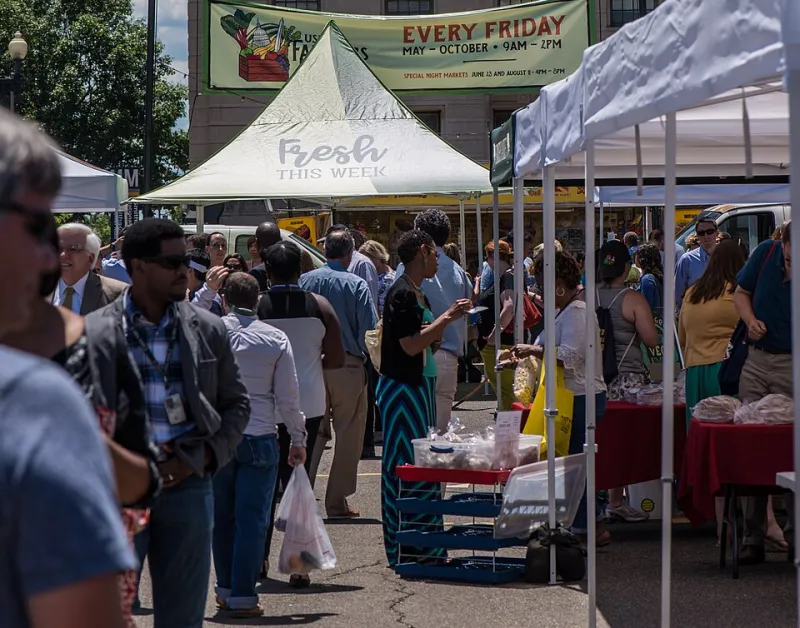
Photo: USDAgov, Public domain, via Wikimedia Commons
Farmers markets are not just prettier grocery stores. They are seasonal supply chains with a personality, and for anyone who ferments at home, that personality is the whole point. A cucumber bought in July from a farmstand and a cucumber shipped in December are not the same raw material. One is crisp, seeded, and full of water; the other may be tired before it hits the brine. Shopping the season is not a foodie flex. It is a practical way to make better jars and waste less food.
Why seasonality belongs in your fermentation crock
Peak produce brings more than flavor. It usually has better texture, more active surface microbes, and a water content that behaves predictably in salt. When you buy what is abundant, you can also buy the less photogenic stuff — the small radishes, the crooked cucumbers, the cabbage that is too big for a normal dinner — and turn it into something with a longer life. That is the quiet genius of fermentation: it converts a market glut into pantry insurance.
The one habit that matters more than any recipe is weighing your salt. Use a digital scale and calculate salt as a percentage of the vegetables' weight, not the water's weight, unless a tested brine recipe says otherwise. For most lacto-fermented vegetables, 2 to 3 percent salt by weight is a solid starting range. Cucumber pickles often want a 3.5 to 5 percent brine. Preserved citrus usually needs 5 percent salt or more. Write the number on the jar. Future you will be grateful.
Spring: radishes, asparagus, and the pint-jar habit
Spring markets are made for small batches. At New York's Union Square Greenmarket, you will see bundles of breakfast radishes, spring onions, and the first asparagus. In the Pacific Northwest, the same weeks bring overwintered carrots and early greens. These are not crops you need to bury in a crock. They are pint-jar ferments.
Radishes are the beginner's friend. Trim the stems, halve the larger ones, and toss them with 2 percent salt by weight. Pack them into a pint jar, press down until their own liquid covers them, and add a weight. Leave them on the counter for five to ten days, tasting every couple of days. They turn crisp, sour, and a little peppery — good on tacos, in grain bowls, or straight from the jar. Asparagus spears work in a quart jar with a 3 percent brine and a few garlic cloves. Snap off the woody ends and keep the tips above the brine if you can; they are the prettiest part.
Summer: cucumbers, beans, okra, and the quart-jar sweet spot
Summer is pickle season, but not every cucumber is a pickling cucumber. Ask the farmer. Kirby cucumbers and Persian cucumbers hold up well; slicing cucumbers can turn to mush. At San Francisco's Ferry Plaza Farmers Market or Atlanta's Grant Park Farmers Market, you can usually find pickling varieties by name. Buy more than you think you need. A quart jar holds about a pound of cucumbers, and a pound disappears fast.
Use a 3.5 to 5 percent brine by weight. Pack cucumbers into a quart jar with dill, garlic, mustard seed, and a fresh grape leaf or two if you have them; tannins can help keep them crunchy. Ferment at room temperature for four to seven days, then move to the fridge. Green beans and okra follow the same logic with a 2.5 to 3 percent brine. Okra is a gift to Southern tables and to anyone who likes a pickle with a little snap. Do not overcook them later. A quick drain and a splash of oil is enough.
Fall: cabbage, peppers, carrots, and the half-gallon commitment
Fall is when fermentation gets serious. Cabbage is heavy, cheap, and built for kraut. At Dane County Farmers' Market in Madison, Wisconsin, or any Midwestern market in October, you can buy a cabbage the size of a bowling ball and turn it into a half-gallon jar of sauerkraut. Shred it, weigh it, add 2 percent salt by weight, and massage until it releases water. Pack it tight. Ferment for one to four weeks, depending on your kitchen and your patience.
Peppers are the other fall workhorse. Hot sauce, fermented pepper mash, and pickled chiles all start with a 3 percent brine or a 2 percent salt mash. Carrots, beets, and turnips can go into the same jars with garlic and herbs. This is the season to buy a case of something and spend an afternoon with a knife, a scale, and a podcast. The jars will sit on the shelf through winter, and you will be glad you did the work.
Winter: citrus, turnips, and the pantry shelf
Winter markets look quieter, but they are not boring. Citrus from California and Texas arrives in force. Preserved lemons, fermented orange slices, and citrus-and-chile pastes are all fair game. Follow a tested recipe for preserved citrus, since the salt ratio is higher than a vegetable brine. Turnips, beets, and winter radishes ferment beautifully with a 2 to 2.5 percent salt by weight. They are the vegetables that make a January dinner feel less beige.
The market-day checklist
Bring a tote, a scale, and a list of jars you actually own. Buy the odd sizes. Ask farmers which varieties hold up. Keep notes on salt percentages, room temperature, and days to your preferred sourness. Seasonal shopping will not make fermentation foolproof, but it will make it more forgiving. A jar of peak-season produce is a small act of optimism — and a very good dinner later.