Still Alive in There? The Truth About Probiotic Potency Once Your Ferment Leaves the Crock
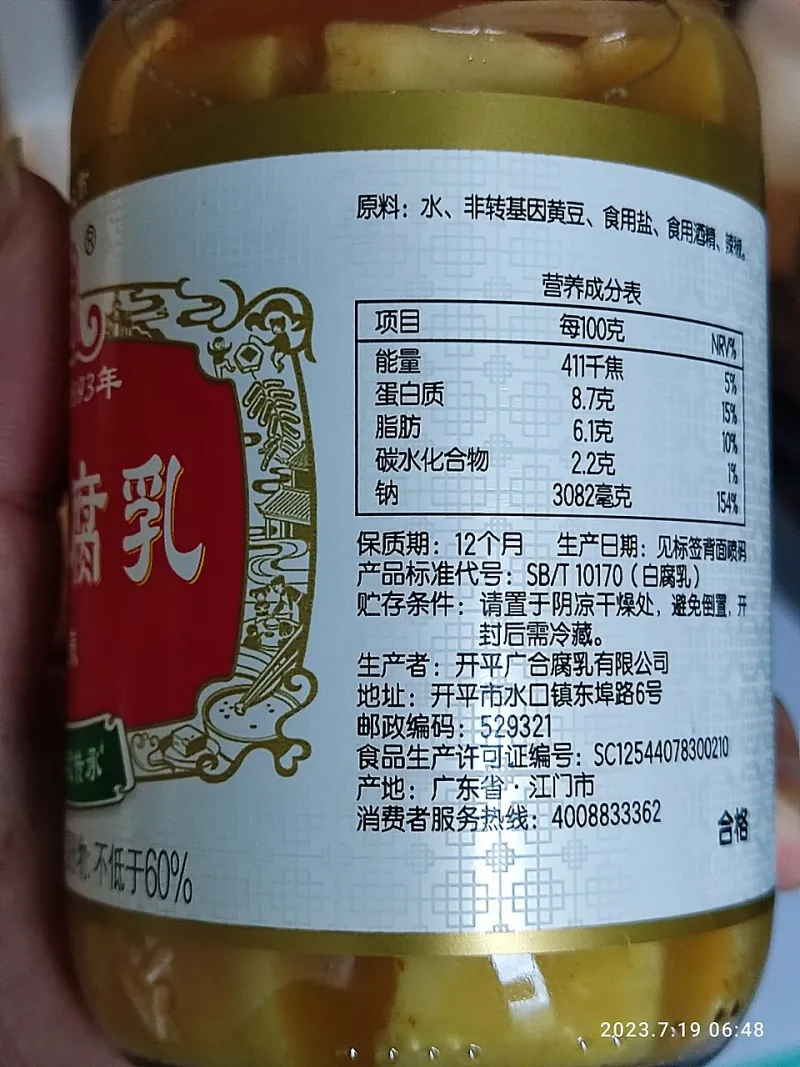
Photo: Sunglajsp Kunggong, CC BY-SA 4.0, via Wikimedia Commons
There's a deeply satisfying moment every home fermenter knows: you lift the lid, smell that tangy, funky perfection, and think, we're done here. You seal the jar, slide it into the fridge, and feel like you've basically bottled health itself.
Except here's the thing nobody really talks about — your ferment starts dying the moment you stop feeding it.
Not dramatically, not overnight, but steadily. The living cultures you carefully coaxed into existence through days or weeks of patient fermentation are biological organisms. They respond to their environment, they compete for resources, and when conditions turn against them, their numbers drop. By the time some jars hit your plate, the probiotic payload you're counting on might be a fraction of what it was at peak fermentation.
That's not a reason to quit fermenting. It's a reason to get smarter about the back half of the process — the part most guides skip entirely.
The Clock Starts at Peak Fermentation, Not When You Eat It
Fermentation isn't a light switch. It's a curve. Microbial populations surge, hit a peak, and then gradually taper as the environment they created — typically acidic, low in oxygen, increasingly depleted of sugars — becomes less hospitable even to themselves.
When you pull a ferment and refrigerate it, you're not freezing that peak moment in time. You're slowing the decline. Cold temperatures suppress metabolic activity, but they don't eliminate it. Bacteria are still consuming residual sugars, producing acids, and dying off at a slower rate. The jar is still a living system — just a sluggish one.
This matters because most home fermenters treat refrigeration like a pause button. It's more like a slow-motion replay of the same ending.
What's Actually Killing Your Cultures
Several factors accelerate the decline in probiotic potency after fermentation wraps up, and most of them are completely avoidable once you know what to look for.
Temperature inconsistency is probably the biggest culprit in American kitchens. Every time you open the fridge door, the internal temperature fluctuates. Jars stored in the door — where most people instinctively put condiments and drinks — experience the most dramatic swings. Repeated warming and cooling stresses bacterial populations in ways that a stable cold environment simply doesn't. Move your ferments to the back of a middle shelf where temps stay most consistent.
Oxygen exposure is another silent killer. Every time you open a jar and close it again, you're introducing a small burst of fresh oxygen into what should be a relatively anaerobic environment. Lactobacillus strains — the workhorses of most vegetable ferments — are actually fine with low oxygen, but repeated exposure can encourage the growth of spoilage organisms that compete with and crowd out beneficial bacteria. Using smaller jars so you finish them faster, rather than repeatedly dipping into a large vessel, makes a real difference.
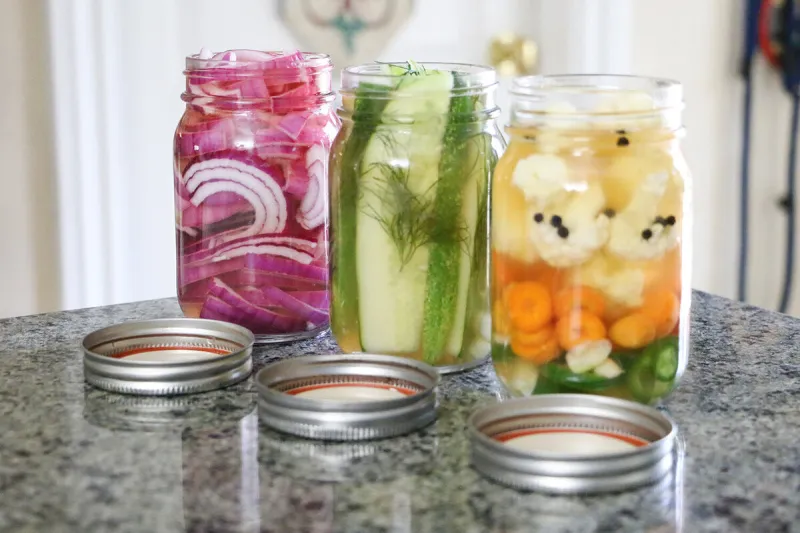
Light degradation doesn't get nearly enough attention. UV exposure can damage bacterial cell walls and degrade the organic acids that create a protective environment for live cultures. Clear glass jars look beautiful on your counter, but if you're leaving them out for any length of time, you're actively shortening their functional life. Store them in a dark cabinet or pantry when they're not in use, even if they're already refrigerated.
Salt concentration plays a sneaky role too. Highly salted ferments like traditional sauerkraut and kimchi tend to maintain better microbial stability over time because the salt acts as a natural preservative. Lower-salt ferments, or those made with added sugars, tend to see faster population decline after peak fermentation.
A Ferment-by-Ferment Reality Check
Different ferments have meaningfully different shelf lives when it comes to probiotic potency — not just food safety, but actual live culture activity.
Kimchi is one of the more resilient options. Thanks to its high salt content and complex microbial community, kimchi can maintain significant probiotic activity for two to three months when stored properly in the refrigerator. The catch: it keeps fermenting slowly, so the flavor shifts from bright and snappy toward deeply sour over time. Fresh kimchi and aged kimchi are almost different foods — both alive, just differently so.
Sauerkraut follows a similar trajectory. A well-made, properly salted kraut stored in a sealed jar in consistent refrigeration can hold viable cultures for several months. The key word is sealed — sauerkraut left in an open container or repeatedly exposed to air degrades faster than people expect.
Kombucha is where things get more complicated. The SCOBY and starter liquid are robust, but once you've bottled a finished batch, the probiotic picture gets murkier. The yeasts and bacteria in kombucha are active and still producing CO2 in the bottle. Probiotic potency peaks in the first two to four weeks after bottling and drops off noticeably after that. If you're drinking three-month-old kombucha from the back of the fridge, you're mostly drinking a lightly fermented tea beverage — still tasty, but not the probiotic powerhouse it was at week two.
Kefir has the shortest window of the bunch. Dairy kefir is exceptionally rich in live cultures at the point of straining, but those cultures are highly active and consume available lactose quickly. Probiotic potency is highest in the first seven to ten days. After two weeks, the microbial population has declined substantially. If you're making kefir at home, small batches made frequently will serve your gut far better than a big batch you work through over a month.
Storage Hacks That Actually Move the Needle
None of this requires a lab or a food science degree. A few practical shifts in how you handle finished ferments can meaningfully extend their active life.
Portion into smaller jars before refrigerating. Less air space in each jar means less oxygen exposure per serving. It also means you're opening a fresh, fully sealed jar each time rather than repeatedly disturbing one large vessel.
Keep a fermentation log. Write the date of peak fermentation on a piece of tape on the jar. Not the date you started — the date you tasted it and knew it was done. That's your actual clock.
Consume high-value ferments earlier in their life. If you're fermenting specifically for probiotic benefit, prioritize eating kefir and kombucha in the first two weeks. Use older batches in cooking where live culture count matters less.
Maintain consistent fridge temps. A fridge thermometer costs about ten dollars and can tell you a lot about whether your refrigerator is actually holding a stable temperature. Most residential fridges run warmer than their settings suggest, especially older models.
Don't freeze for probiotic purposes. Freezing does preserve some bacterial strains, but it also ruptures cell walls and kills a significant percentage of live cultures. A frozen ferment is not a probiotic ferment in any meaningful sense.
The Living Art Requires Ongoing Attention
Fermentation is often framed as a set-it-and-forget-it practice, and in terms of active labor, it kind of is. But the cultures you're growing are genuinely alive, and alive things have needs that don't stop when you close the lid.
Thinking of your finished ferments as living pantry items — rather than preserved shelf-stable products — changes how you store them, how quickly you use them, and how much real probiotic value you actually get. The jar you carefully fermented for two weeks deserves the same attention in the fridge that it got on the counter.
Keep it cold, keep it sealed, keep it dark, and eat it while it's still got something to say.