Good Things Take Time: A Real-World Guide to Fermentation Timelines
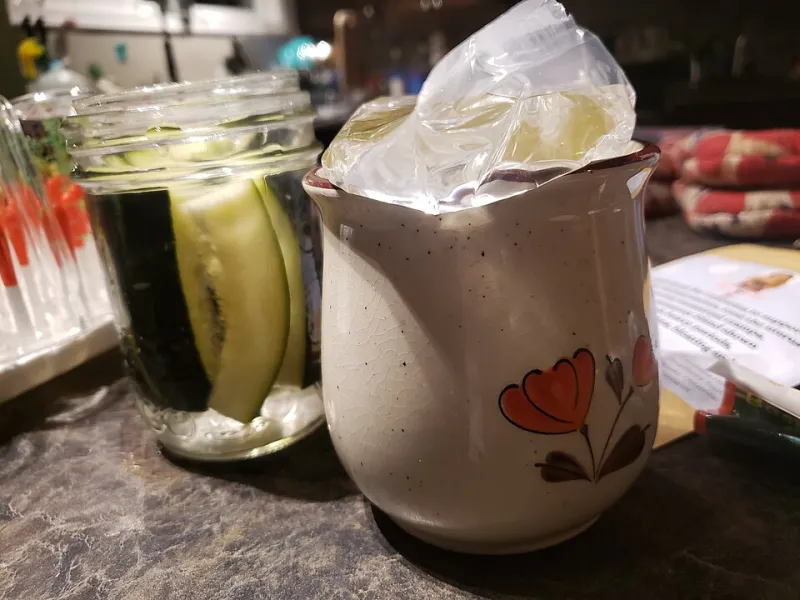
Photo: Taylorderek, CC BY-SA 4.0, via Wikimedia Commons
There's a particular kind of frustration that comes with fermentation. You've done everything right — salted the cabbage, packed the jar, weighted it down — and then you're just... waiting. Staring at a container of vegetables on your counter, wondering if anything is actually happening in there. Spoiler: it absolutely is. You just can't rush it.
Understanding why different ferments take different amounts of time isn't just nerdy science trivia. It's genuinely useful knowledge that'll make you a better, calmer, more confident home fermenter. So let's break it down, from the quick wins to the long-haul projects, and talk about what patience actually buys you.
The Fast Lane: 1–5 Days
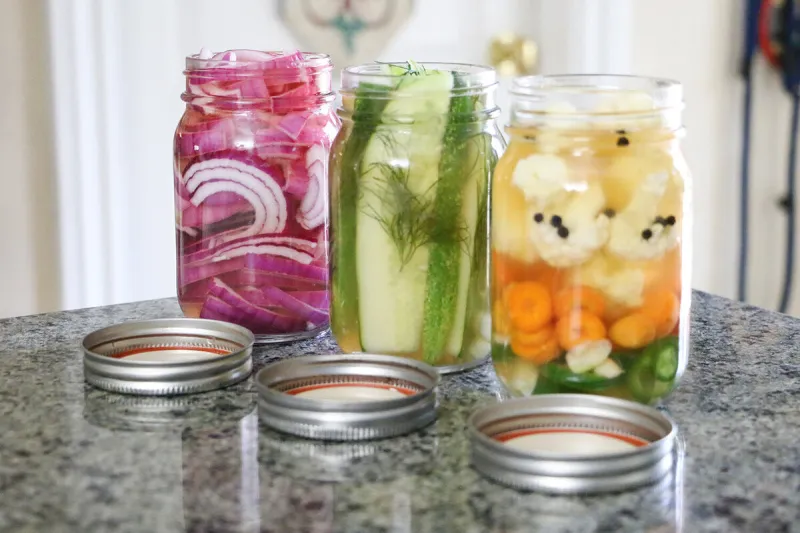
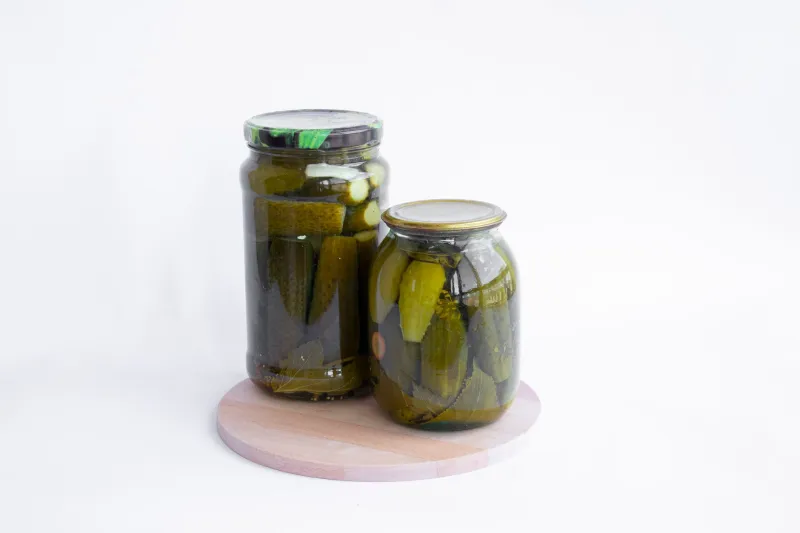
Some ferments are practically instant gratification by fermentation standards. Quick-fermented pickles — cucumbers, radishes, carrots in a simple brine — can be table-ready in as little as three days at room temperature. Lacto-fermentation kicks off fast when conditions are right: warm kitchen, good salt ratio, fresh vegetables.
What's happening during those first few days is a microbial takeover. Naturally occurring lactobacillus bacteria on the surface of your vegetables start consuming sugars and producing lactic acid. That acid is what gives quick pickles their tang, and it's also what makes the environment hostile to harmful bacteria. It's a beautifully self-regulating system.
At the three-day mark, your pickles will be lightly sour and still pretty crunchy. By day five, they're punchier. Both are correct — it just depends on what you're going for. This is a great stage for impatient fermenters to practice the art of tasting as you go rather than waiting for some arbitrary finish line.
Ferments in this range: quick-fermented pickles, curtido, some hot sauces, water kefir (24–48 hours)
The Middle Ground: 1–4 Weeks
This is where most classic fermentation projects live, and where a lot of beginners start to get antsy. Sauerkraut is a perfect example. You can eat it after a week — it'll be tangy, slightly fizzy, and totally safe — but something shifts between weeks two and four. The flavor deepens. The texture softens just enough. Complexity builds as different bacterial strains take turns dominating the environment.
Kombucha typically falls in this window too, usually 7–14 days for a first ferment depending on your SCOBY's health, the temperature of your kitchen, and how tart you like it. Kimchi is similar — functional and flavorful after a week in the fridge, but more nuanced and deeply savory after three or four weeks.
The science here involves multiple overlapping microbial communities doing sequential work. Early-stage bacteria create the acidic environment that mid-stage bacteria then thrive in. It's a relay race, and cutting it short means the later runners never get their moment.
One practical tip: keep tasting throughout this range. Your palate is actually a better readiness gauge than any timer. If it tastes good to you, it's ready. If it tastes like it's still becoming something, give it more time.
Ferments in this range: sauerkraut, kimchi, kombucha, whole-milk yogurt, jun tea
The Long Game: 1–6 Months
Here's where fermentation starts to feel less like a kitchen project and more like a commitment. Miso is the classic example — a traditional shiro (white) miso can be ready in as little as four to six weeks, but a rich, dark mugi (barley) miso might need six months to a year before it hits its stride. That wait isn't arbitrary. Enzymatic activity from the koji mold slowly breaks down proteins and starches into amino acids and sugars, building umami depth that simply cannot be shortcut.
Fermented hot sauces with whole peppers, aged vinegars, and certain styles of fermented bean paste also fall into this longer timeline. So does a properly aged sourdough starter if you're trying to develop real character rather than just basic leavening power.
What happens when you let these things go longer than expected? Often, something wonderful. A miso left an extra two months might develop a more complex, almost funky depth. A hot sauce forgotten in the back of the fridge for six months instead of three might surprise you with a mellowness you didn't anticipate. The key is keeping conditions stable — consistent temperature, appropriate salt levels, minimal oxygen exposure — and checking in periodically.
Ferments in this range: miso, long-fermented hot sauces, kvass, some vinegars, aged kefir cheeses
How to Actually Know When It's Done
Calendars are a starting point, not a finish line. Here's what to look for regardless of timeline:
- Smell: A good ferment smells sour, tangy, funky in a pleasant way. If it smells putrid, sulfuric beyond a brief early stage, or genuinely rotten, something went wrong.
- Taste: Sour, complex, alive. Not flat, not weirdly sweet, not like raw vegetables.
- Appearance: Bubbles during active fermentation are a great sign. Brine should look slightly cloudy. Kahm yeast — that white film on top — is annoying but harmless. Fuzzy mold in colors other than white is a different story.
- Texture: Vegetables should be pleasantly softened but not mushy. If they've turned to mush, temperature was probably too warm or salt too low.
For the Chronically Impatient
Look, not everyone has the temperament of a Zen monk, and that's okay. If you genuinely struggle with the waiting, here are a few strategies that actually help.
Start multiple projects at staggered intervals so you always have something finishing while something else is just beginning. Keep a fermentation journal — writing down what you observe each day gives you something to do with all that waiting energy and makes you a sharper fermenter over time. And lean into the quick-turnaround projects (water kefir, quick pickles) while your longer ferments do their thing in the background.
Also: set it and mostly forget it. The fermenters who open their jars every twelve hours to poke around are often the ones who introduce contaminants or disturb the microbial environment. Make your setup solid, then let the biology do its work.
What Patience Actually Buys You
Beyond flavor — and the flavor payoff is real — waiting longer on your ferments tends to mean more developed probiotic communities. Early-stage ferments are dominated by a narrower range of bacteria. Given time, diversity builds. More strains, more potential benefit, more complexity in what you're consuming.
There's also something genuinely satisfying about eating something that took real time to become what it is. In a culture obsessed with instant everything, pulling a six-month miso out of your pantry and tasting what patience built feels like a small act of rebellion — and a delicious one at that.
Fermentation doesn't run on your schedule. But the more you understand its rhythms, the better you get at working with them instead of against them. And that, honestly, is where the real craft begins.