Pennies Per Serving: The Real Math Behind Making Your Own Probiotics vs. Buying Them

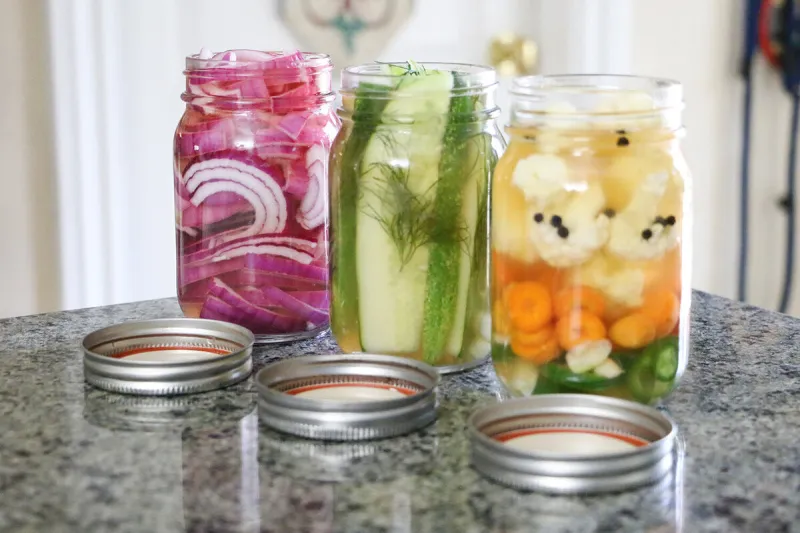
Photo: Drmoumitade, CC BY-SA 4.0, via Wikimedia Commons
Walk through any Whole Foods or browse the supplement aisle at Target and you'll notice something fast: gut health is expensive. A bottle of multi-strain probiotic capsules can run you $40 to $60 a month. A four-pack of artisanal kombucha? Easily $14 to $18. A small jar of small-batch kimchi from your local farmers market? Sometimes north of $12 for something you'll demolish in three days.
Nobody's saying these products aren't good. A lot of them genuinely are. But there's a quiet financial rebellion happening in home kitchens across the country, and it's worth paying attention to — especially if your wellness budget has started to feel like a second car payment.
Fermenters have known for years what the supplement industry would rather you didn't calculate: when you make your own probiotic-rich foods, the cost per serving drops so dramatically it almost feels like cheating.
What You're Actually Paying for at the Store
Before we get into the DIY numbers, it's worth understanding why commercial probiotic products carry the prices they do. It's not all markup and marketing, though there's certainly some of that.
Pharmaceutical-grade probiotic supplements require clinical testing, shelf-stability research, cold-chain logistics, and regulatory compliance. That infrastructure costs money, and consumers absorb it. Premium kombucha brands invest in quality control, consistent flavor profiles, branded packaging, and distribution networks that stretch from Brooklyn to Boise. Artisanal fermented foods from small producers often reflect genuinely fair wages and small-batch production costs.
So some of that price is legitimate. But some of it — and wellness culture is particularly guilty here — is aspirational pricing. You're not just buying probiotics. You're buying an identity, a lifestyle signal, a sense of doing something good for yourself. That feeling has a markup attached to it.
The average American who takes a daily probiotic supplement and buys fermented foods regularly can easily spend $80 to $120 per month on gut-health products. That's $960 to $1,440 a year. For a lot of households, that number should prompt a serious conversation.
Running the Numbers on Home Fermentation
Let's get specific, because this is where it gets genuinely interesting.
Kombucha: A one-gallon continuous brew setup costs roughly $30 to $50 upfront for a vessel, a spigot, and your first SCOBY. After that, you're looking at about $2 to $4 worth of tea and sugar per gallon batch. One gallon equals roughly eight 16-ounce servings — the same size as a store-bought bottle that retails for $4 to $5 each. Your homemade version? About 25 to 50 cents per serving. Over a year of weekly brewing, you'd spend maybe $150 to $200 total including the initial equipment. A year of store-bought kombucha at three bottles a week would run you $600 to $780.
Sauerkraut: This one's almost embarrassingly cheap. A head of green cabbage costs $1 to $2. Salt costs almost nothing. A wide-mouth mason jar is a few bucks. One head of cabbage yields roughly a quart of sauerkraut — comparable to jars that sell for $7 to $12 at specialty stores. Your cost? Under $2. The fermentation knowledge you need fits in a single afternoon of reading.
Milk Kefir: A set of kefir grains runs $10 to $15 and lasts indefinitely with basic care. A quart of whole milk costs $1.50 to $2.50 depending on your area. That quart ferments into roughly 32 ounces of kefir — the equivalent of a $5 to $7 store-bought bottle. Your cost: under $3, and the grains keep producing for years.
Across these three examples alone, a committed home fermenter could realistically produce $150 to $200 worth of retail-equivalent probiotic foods every month for roughly $20 to $30 in raw ingredients.
The Equipment Investment Question
Here's where skeptics usually push back: what about startup costs? Fair point. Getting a proper fermentation setup going isn't free, and if you're buying quality equipment — good crocks, swing-top bottles, a heating mat for temperature control — you might spend $100 to $300 upfront.
But run that against the monthly savings and the math still works. Most home fermenters break even within three to six months and are in positive territory after that. Unlike a gym membership you stop using in February, fermentation equipment doesn't collect dust — it actively produces food you're eating.
The longevity factor matters too. A quality ceramic fermentation crock can last decades. SCOBY cultures and kefir grains reproduce continuously. Once you're set up, the marginal cost of each new batch is almost entirely just ingredients.
What Store-Bought Still Does Better
Honesty matters here. Commercial probiotics aren't always the enemy, and there are real scenarios where they make sense.
If you need a specific clinically-studied strain — say, Lactobacillus rhamnosus GG for antibiotic recovery, or Bifidobacterium infantis for a particular digestive condition — a targeted supplement delivers something a jar of homemade kraut can't promise. The microbial diversity in fermented foods is rich but uncontrolled. You're getting a community of beneficial organisms, not a guaranteed colony count of a specific strain.
For travel, convenience, or situations where fermentation just isn't practical, commercial products fill a real gap. And honestly, some artisanal producers are doing work worth supporting — small kimchi makers, local kombucha breweries, family-run miso operations. The price on those jars sometimes reflects craft and community, not just corporate margin.
The goal isn't to boycott the wellness aisle. It's to approach it with clear eyes about what you're actually buying.
Building a Hybrid Approach
Most experienced fermenters land in the same place: they make the staples themselves and buy strategically. Kombucha, kefir, simple vegetable ferments — all homemade. Specific therapeutic supplements for targeted needs — purchased thoughtfully. Occasional artisanal products from makers they trust — treated as a treat, not a routine.
This hybrid model captures the best of both worlds. You're dramatically cutting your monthly wellness spend, developing a hands-on skill that deepens your relationship with food, and still accessing the clinical specificity of supplements when the situation calls for it.
The fermentation learning curve is real but shallow. Most people are producing confident, consistent batches within a month or two of starting. And there's something that no supplement bottle can replicate — the satisfaction of pulling a jar of your own living, bubbling creation out of the pantry and knowing exactly what went into it.
The Bottom Line
The wellness industry has built an extraordinary business around the idea that health requires premium purchasing. And while there's genuine value in parts of that ecosystem, a lot of it is margin dressed up as medicine.
Home fermentation is one of the most effective financial disruptions available to health-conscious consumers. The knowledge is free. The equipment pays for itself. The ingredients are cheap. And the result — a consistent supply of living, probiotic-rich food made in your own kitchen — is something no marketing budget can manufacture.
Your gut doesn't know whether your kefir came from a $9 bottle with a clean label or a mason jar sitting on your counter. But your bank account definitely will.