Do You Really Need That $60 Starter Kit? A Straight-Talk Guide to Fermentation Gear
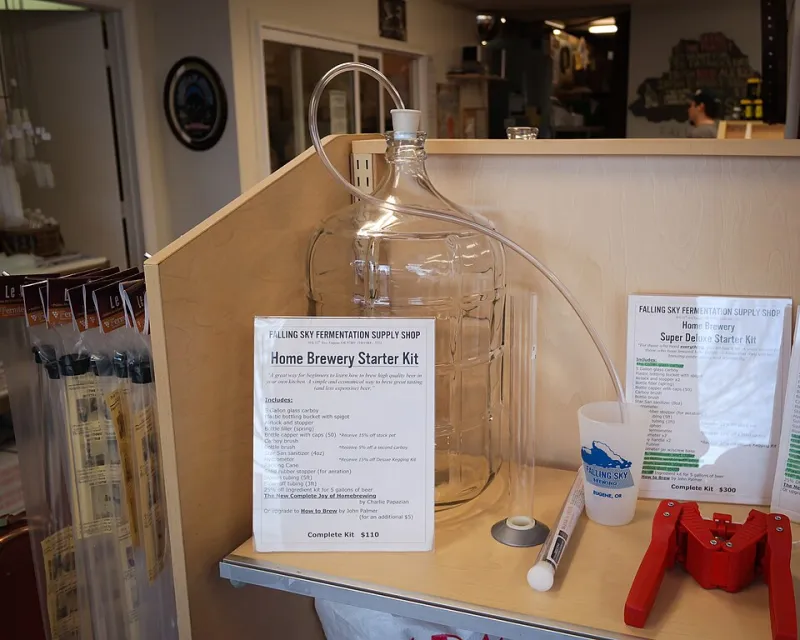
Photo: Visitor7, CC BY-SA 3.0, via Wikimedia Commons
Scroll through Amazon or wander into any kitchen specialty store, and you'll find them stacked on shelves like promises: fermentation starter kits, shrink-wrapped and confident, telling you that this is the missing piece between you and a thriving gut microbiome. Some run $25. Some push past $80. A few come with branded crocks, color-coded airlocks, pH strips, and a glossy recipe booklet that reads like a wellness manifesto.
The pitch is seductive, especially if you're new to fermenting and genuinely don't know where to start. But here's the thing nobody on the product page wants to tell you: fermentation is one of the oldest food preservation techniques on earth, and for most of human history, it happened in clay pots, wooden barrels, and ceramic crocks that nobody paid $65 for.
So what are you actually buying when you grab one of these kits? Let's break it down.
What Most Kits Actually Include (And What That's Worth)
The average mid-range fermentation starter kit — the kind marketed toward kombucha beginners or first-time kraut makers — typically bundles a few things together:
- A glass jar (usually 1-quart or half-gallon)
- An airlock or specialty lid
- A small packet of starter culture or a SCOBY
- A recipe card or access to a digital guide
- Sometimes: a wooden spoon, a pH strip, or a small bag of sea salt
Break that down by individual retail price and you're often looking at $10–$15 worth of materials packaged into a $45–$70 box. The markup exists because someone curated it, branded it, and made it feel turnkey. That curation has real value for some people. For others, it's just a tax on uncertainty.
The starter culture or SCOBY is usually the only component in these kits that genuinely matters and can't be easily sourced for free. A healthy SCOBY from a friend, a local fermentation group, or a community swap costs nothing. A packet of vegetable lacto-fermentation starter? Often unnecessary — wild fermentation using just salt and time produces results that are arguably more complex and nutritious.
Where Kits Earn Their Keep
To be fair, not every kit is a cynical cash grab. A few scenarios exist where buying a bundled set actually makes sense.
You're starting with kombucha. Getting a healthy SCOBY with a reliable starter liquid is genuinely the trickiest part of beginning a kombucha practice. Kits from reputable sellers — ones that ship live cultures with clear provenance — can shortcut weeks of troubleshooting. Brands that include a substantial amount of starter liquid (not just a dehydrated disc) and provide clear fermentation temperature guidance are offering something real.
You want accountability tools. Some kits include pH strips or salinity guides that help beginners understand what's happening inside the jar. For visual learners who need feedback during the process, these additions aren't gimmicks — they're training wheels that build confidence fast.
You're gift-giving. A well-packaged kit with a clear beginner's guide makes a genuinely thoughtful gift. The recipient isn't likely to already own a half-gallon wide-mouth jar, and the unboxing experience sets a tone of intentionality that a random jar from the grocery store doesn't.
Outside of these situations, though, the calculus shifts quickly.
Where Kits Prey on Beginner Anxiety
Here's where things get a little uncomfortable. A significant portion of the starter kit market is built not on what you need, but on what you're afraid of.
Beginners worry about mold. They worry about making someone sick. They worry that without the right equipment, their ferment will fail. Kit marketing often leans hard into these fears — using language like "foolproof," "scientifically calibrated," or "clinically tested cultures" to suggest that fermentation without their product is somehow reckless.
It isn't. Lacto-fermented vegetables — sauerkraut, kimchi, pickles — require exactly two ingredients: vegetables and non-iodized salt. The beneficial bacteria that drive fermentation live naturally on the surface of the produce. You don't need a starter packet. You don't need a specialty airlock (though one can help in warm climates). You definitely don't need a branded crock with a logo on it.
Some kits even include unnecessary complexity. Elaborate temperature monitoring tools, multiple types of airlocks for a single application, or proprietary "activator" powders that are, upon closer inspection, just sugar or salt with fancy language on the label. These additions don't improve your ferment. They improve the kit's perceived value on a shelf.
The Traditional Method Comparison
Let's run the numbers on a basic sauerkraut setup built from scratch versus a mid-range kit.
DIY setup:
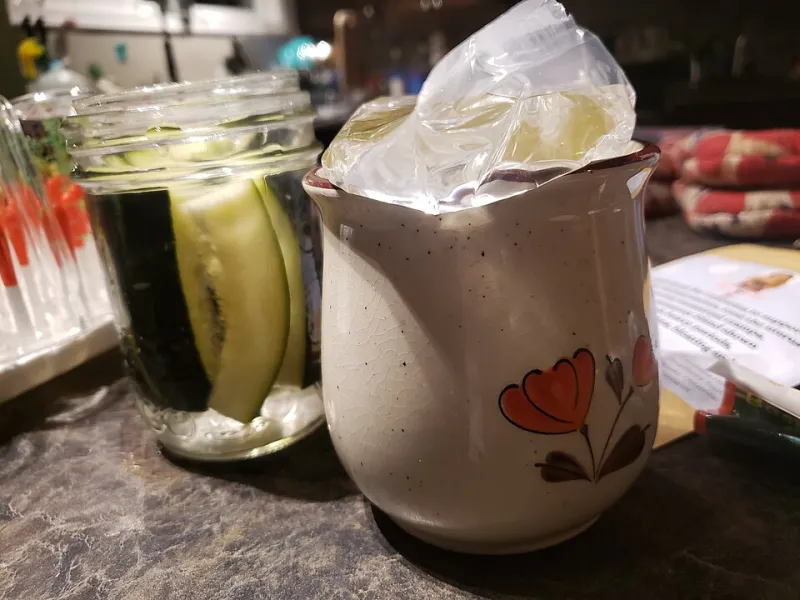
- Wide-mouth quart mason jar: ~$2 at a thrift store, or free if you already own one
- Non-iodized sea salt: pennies per batch
- A small zip-lock bag filled with water to weigh down the cabbage: free
- Total: under $5, often under $2
Mid-range kit:
- Branded jar, specialty lid, salt packet, recipe guide: $35–$55
- Total: $35–$55
The sauerkraut you make with the DIY setup will be chemically and microbiologically identical to the sauerkraut you make with the kit. The lactobacillus strains don't read the packaging.
For kombucha, the gap narrows. A live SCOBY with good starter liquid is worth paying for, and a kit that includes one honestly and transparently earns its price. But you still don't need the branded tea blend, the decorative jar, or the pH strips that come with most premium bundles.
How to Shop Smart If You Still Want a Kit
If you've decided a kit is the right move for you — no judgment, convenience is a legitimate value — here's what to actually look for.
Prioritize the culture, not the container. A kit's worth lives or dies on the quality of the starter. For kombucha, look for sellers who ship live SCOBYs in ample starter liquid, not dehydrated cultures. For sourdough, a kit with an established, active starter beats a packet of dormant yeast every time.
Ignore proprietary language. "Artisanal blend," "heritage culture," "probiotic-optimized" — these phrases mean nothing unless they're backed by specifics. What strains? What fermentation temps? What's the source?
Check the community. The best fermentation kit sellers have active online communities, responsive customer support, and real testimonials from beginners who succeeded. Reddit's r/fermentation is a surprisingly useful gut-check for brand reputation.
Skip the extras. A jar, a culture, and clear instructions are all you need. Everything else is merchandising.
The Bottom Line
Fermentation doesn't require permission from a brand. It doesn't require a matching set of ceramic crocks or a pH meter or a starter culture that costs more than your grocery haul. What it requires is curiosity, a little patience, and the willingness to trust a process that's been keeping humans fed and healthy for thousands of years.
If a kit lowers the barrier to entry for you — if it makes the whole thing feel less intimidating and more exciting — then it's done its job. But if you're buying it because you've been convinced you'll fail without it, take a breath. Grab a head of cabbage, some salt, and a jar from your cabinet. You've already got everything you need.