From Seoul to Shelf: How Kimchi Became America's Favorite Fermented Food
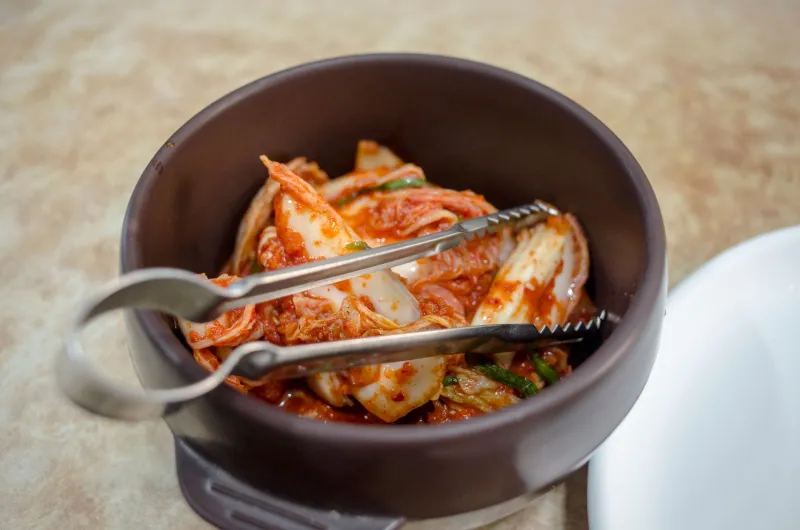
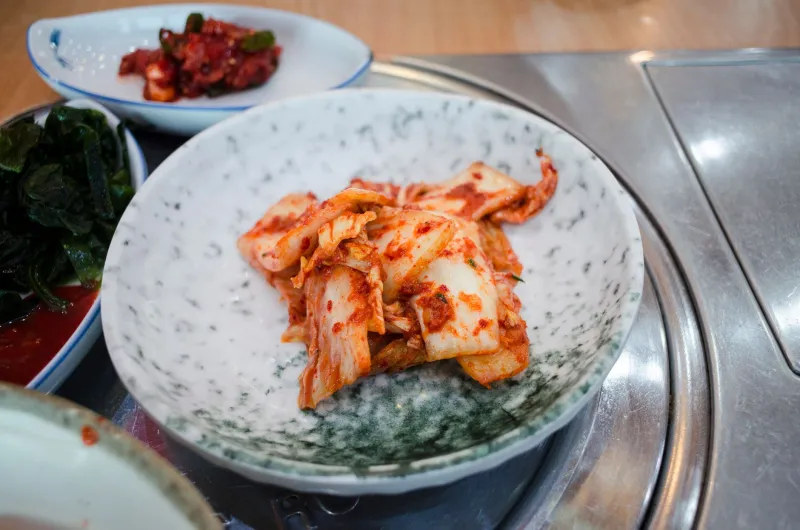
Walk into any Whole Foods, Trader Joe's, or even a mid-sized regional grocery chain these days, and you'll find it — that unmistakable jar of crimson, funky, deeply alive fermented cabbage sitting right between the sauerkraut and the kombucha. Kimchi, once a food that most Americans couldn't name a decade ago, has quietly staged one of the most remarkable culinary crossovers in recent food history.
And for the fermentation community, this isn't just a food trend. It's a cultural moment worth paying close attention to.
A Slow Burn That Became a Full Boil
Kimchi has been a cornerstone of Korean cuisine for over a thousand years. Traditionally, families would gather each autumn for kimjang — a communal kimchi-making ritual so culturally significant that UNESCO added it to its Intangible Cultural Heritage list in 2013. In Korea, kimchi isn't just food. It's identity.
In the US, Korean immigrant communities had been quietly keeping that tradition alive for decades, fermenting napa cabbage, Korean radish, and dozens of regional variations in home crocks and purpose-built kimchi refrigerators. But the broader American market barely noticed — until it did.
Sales of refrigerated kimchi in the US grew by roughly 90% between 2017 and 2022, according to data from market research firm Mintel. By 2023, the US kimchi market had crossed the $100 million mark, driven by a perfect storm of factors: the global K-pop and Korean culture wave, a pandemic-era surge in fermented food interest, and a growing consumer appetite for probiotic-rich foods.
"People started connecting the dots between gut health and fermented foods," says one East Coast fermentation entrepreneur who launched a small-batch kimchi brand out of her Brooklyn apartment in 2019. "Suddenly kimchi wasn't just 'that spicy Korean stuff.' It was a probiotic powerhouse, and people were genuinely curious."
The Probiotic Effect
It's impossible to talk about kimchi's American ascent without acknowledging the probiotic wellness boom running parallel to it. Nutritionists and gut health advocates have spent the better part of a decade making the case that fermented foods — kimchi included — deliver a meaningful dose of live beneficial bacteria that support digestive health, immune function, and even mood regulation.
Kimchi, made through lacto-fermentation, is teeming with Lactobacillus strains, the same family of bacteria found in yogurt and other cultured dairy products. But it also brings something those foods don't: a complex, layered flavor profile built from gochugaru (Korean red pepper flakes), garlic, ginger, fish sauce or salted shrimp, and scallions, all working together as the fermentation process deepens and evolves over time.
"What makes kimchi special from a wellness standpoint isn't just the probiotic count," explains a registered dietitian who specializes in gut microbiome health. "It's the synergy between the fermented vegetables, the spices — many of which have their own anti-inflammatory properties — and the fiber content. It's a genuinely functional food."
For health-conscious American consumers already reaching for kefir and miso, adding kimchi to the rotation felt like a natural next step.
Authenticity in the Age of Mass Production
Here's where things get complicated — and where the fermentation community starts to have some honest conversations.
As demand surged, so did the supply of mass-produced kimchi that bears little resemblance to the traditionally fermented product. Some commercially manufactured versions are pasteurized, which kills the live cultures that make kimchi a probiotic food in the first place. Others use shortcuts that compromise both flavor and nutritional value. And increasingly, large non-Korean food companies have entered the space, raising pointed questions about who gets to profit from a deeply rooted cultural tradition.
"There's real frustration in the Korean American food community," says a food historian who focuses on Asian American culinary culture. "Korean families have been making and selling kimchi in this country for generations, often without much recognition or market support. Now that it's profitable, suddenly everyone wants a piece of it."
The debate mirrors broader conversations happening around foods like hummus, hot sauce, and matcha — beloved staples from specific cultural traditions that get commodified, rebranded, and sometimes stripped of their original context as they go mainstream.
For small-batch Korean American kimchi makers, the challenge is standing out in a crowded market while staying true to the craft. Many have leaned into transparency — labeling their products as raw and unpasteurized, highlighting traditional recipes, and educating customers about the difference between genuinely fermented kimchi and the shelf-stable imitations.
Small Makers Holding the Line
Across the country, a new generation of Korean American fermentation entrepreneurs is doing the hard work of keeping the craft alive while building real businesses. In cities like Los Angeles, New York, Chicago, and Atlanta — all home to significant Korean American communities — small kimchi brands are carving out loyal followings at farmer's markets, in specialty food stores, and through direct-to-consumer online sales.
Many of these makers are also innovating thoughtfully, introducing regional Korean kimchi varieties that most Americans have never encountered: kkakdugi (cubed radish kimchi), oi sobagi (stuffed cucumber kimchi), and baek kimchi (white kimchi made without gochugaru), expanding the conversation beyond the standard napa cabbage jar.
"My grandmother made at least twelve different kinds of kimchi depending on the season," says one Los Angeles-based kimchi maker. "I want people to understand that what they see on a grocery store shelf is just one note in a very long song."
What Mainstream Means for the Living Art
For the fermentation community, kimchi's mainstream moment is genuinely exciting — and genuinely complicated. On one hand, more Americans eating real, traditionally fermented kimchi means more people experiencing the living art of lacto-fermentation firsthand. It means more conversations about gut health, food culture, and the value of slow, intentional food production. That's a win.
On the other hand, the risk of dilution is real. When pasteurized, shelf-stable products market themselves with the same probiotic language as the genuine article, consumers get confused, and the craft gets cheapened.
The best outcome — the one worth rooting for — is a market that makes room for both scale and soul. One where Korean American makers are centered and supported, where consumers learn to read labels and ask questions, and where kimchi's extraordinary cultural and nutritional legacy is honored even as it finds new fans across the country.
Because at its heart, kimchi is exactly what FermenArts is all about: a living, breathing, evolving food that connects us to tradition, to community, and to the remarkable science happening quietly inside a jar. Whether you're buying it from a Korean grandmother at a Saturday market or making your first batch at home, that's worth celebrating — and worth protecting.
Look for the words "raw," "unpasteurized," or "contains live cultures" when buying kimchi. That's your signal that the living art is still intact.