Crocks, Cultures, and Counterculture: America's DIY Fermentation Revolution
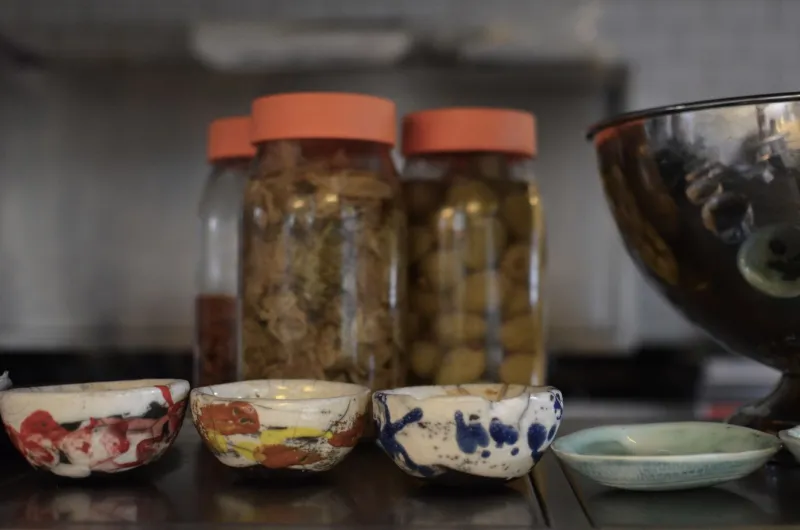
Somewhere in a suburb of Portland, Oregon, a retired high school biology teacher named Marcus has lined his garage shelves with 47 ceramic crocks. Inside those crocks: sauerkraut at varying stages of tang, a ribbon of miso aging quietly in the back corner, and a rotating cast of hot sauces that his neighbors have started requesting by name. Marcus doesn't sell anything. He doesn't have a food blog or a YouTube channel. He just ferments — methodically, joyfully, and with a conviction that what he's doing matters.
"I got tired of reading labels and not recognizing half the words," he says, wiping his hands on a flour-sack towel. "Fermentation gave me back something I didn't even know I'd lost."
Marcus isn't alone. Across the United States, a quietly radical movement is taking root in kitchens, garages, and basement corners — a growing wave of home fermenters who are reclaiming food production one crock at a time. And while it might look like a hobby trend from the outside, food historians and microbiologists alike are calling it something more significant: a genuine cultural shift in how Americans relate to their food.
The Industrial Food System Set the Stage
To understand the fermentation revival, you have to understand what it's reacting against. For most of the 20th century, American food production moved steadily toward centralization. Canning plants, pasteurization mandates, and the rise of national grocery chains gradually displaced the localized, living-food traditions that immigrant communities had brought with them from Europe, Asia, and beyond. By the 1980s, the average American's exposure to fermented food was limited to shelf-stable pickles swimming in vinegar brine — technically not fermented at all — and maybe a carton of yogurt loaded with added sugar.
The result, food historians argue, was a population largely disconnected from the biological processes that had sustained human health for millennia. "We essentially outsourced our relationship with microbes to corporations," says Dr. Lena Farrow, a food systems researcher based in Vermont. "And those corporations had no incentive to keep those microbes alive."
Live cultures don't survive long on supermarket shelves. They're inconvenient for logistics. They require refrigeration, careful handling, and an educated consumer. So they largely disappeared — until the internet made it easy for people to learn how to bring them back.
Garage Labs and Kitchen Experiments
The modern DIY fermentation scene is remarkably decentralized, which is part of what makes it so interesting. There's no headquarters, no membership fee, no charismatic founder. It spreads through Reddit threads, local fermentation clubs, library workshops, and dog-eared copies of books like The Art of Fermentation by Sandor Katz, who many in the community refer to simply as "Sandor" — a first-name familiarity that speaks to how personal this practice feels.
In Chicago, a collective of apartment dwellers shares a communal fermentation space in a co-op building, pooling their SCOBY cultures and trading jars of finished product like baseball cards. In rural Tennessee, a family of four has replaced nearly all their store-bought condiments with homemade versions — apple cider vinegar, fermented hot sauce, lacto-fermented salsa — and estimates they've cut their grocery bill significantly in the process.
The economics are part of the appeal, but they're rarely the whole story. Again and again, home fermenters describe something harder to quantify: a sense of agency. Of knowing exactly what's in their food and where it came from. Of participating in a process rather than just consuming an end product.
"There's something almost meditative about it," says Priya, a software engineer in Austin who started fermenting during the pandemic and now maintains a rotating lineup of kefir, jun tea, and water kefir. "You learn to slow down and pay attention. The culture tells you what it needs."
The Science Behind the Satisfaction
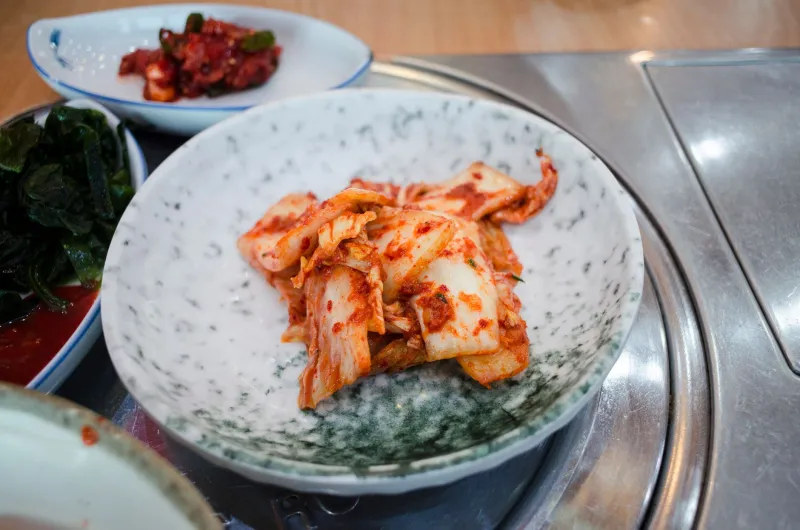
It's worth pausing on that word — culture. In fermentation, it refers literally to the community of microorganisms doing the work: bacteria, yeasts, and sometimes molds that transform raw ingredients into something more complex, more shelf-stable, and often more nutritious. Lacto-fermentation, the process behind sauerkraut, kimchi, and traditional pickles, uses naturally occurring Lactobacillus bacteria to produce lactic acid, which both preserves the food and creates that characteristic sour punch.
But the benefits go beyond flavor. Research into the gut microbiome — the vast ecosystem of microorganisms living in the human digestive tract — has exploded over the past decade, and with it, scientific interest in how fermented foods influence health. Studies have linked regular consumption of traditionally fermented foods to improved digestion, enhanced immune function, and even better mental health outcomes through the gut-brain axis. For many home fermenters, the wellness angle was the entry point, but the craft kept them hooked.
"I started because I read about probiotics," admits Jonah, a nurse in Minneapolis who now teaches fermentation workshops at his local co-op. "But I stayed because I fell in love with the process. It's biology you can taste."
A Quiet Challenge to the Status Quo
What makes this movement genuinely subversive isn't the kombucha or the kimchi — it's the philosophy underneath. Every jar of homemade sauerkraut is a small act of food sovereignty. Every SCOBY passed between neighbors is a rejection of the idea that complex, living food is too difficult or too dangerous for ordinary people to make at home.
Industrial food companies have long relied on exactly that assumption. The message, implicit in decades of marketing, has been that food production belongs to professionals — that safety, consistency, and convenience require factory floors and ingredient lists no one can pronounce. The fermentation community pushes back hard on all three.
"These are some of the safest food preservation methods humans have ever developed," Dr. Farrow points out. "The acidic environment that fermentation creates is deeply inhospitable to harmful pathogens. People have been doing this safely for thousands of years without a chemistry degree."
That's not to say there's no learning curve. Newcomers sometimes over-salt their brine or introduce contamination through unclean equipment. But the community is generous with troubleshooting, and failure — a batch that goes moldy, a kombucha that goes flat — is treated as data rather than disaster.
What Comes Next
The fermentation renaissance shows no signs of cooling. Specialty fermentation supply shops are opening in cities like Denver, Nashville, and Philadelphia. Community fermentation kitchens are popping up alongside the urban farming movement. And a new generation of food entrepreneurs — many of whom started in their own kitchens — are building small-batch brands that prioritize living cultures and transparent sourcing over shelf life and mass distribution.
Whether this movement can meaningfully challenge the industrial food system at scale remains an open question. Big food isn't going anywhere, and most Americans will continue to buy their yogurt and pickles at the grocery store. But something is shifting in the cultural conversation around food — a growing appetite, you might say, for authenticity, for process, for the kind of flavor that only time and living organisms can produce.
Marcus, back in his Portland garage, doesn't think much about market disruption. He's got a batch of curtido to check on and a new miso project he's been planning since winter. But he does believe, quietly and firmly, that what he's doing matters.
"Every time someone tastes something I made and asks how it works," he says, "that's one more person who understands that food is alive. That feels important right now."
It does.